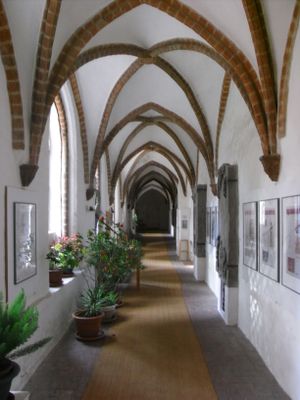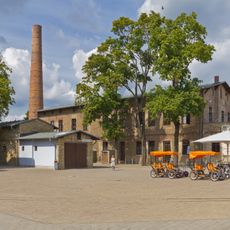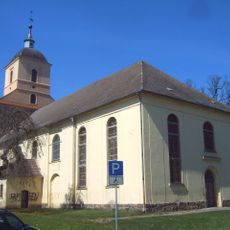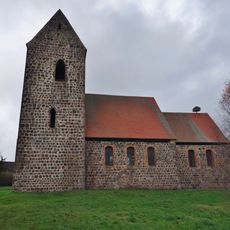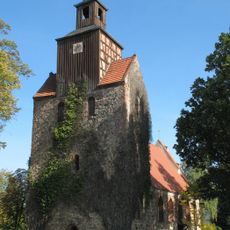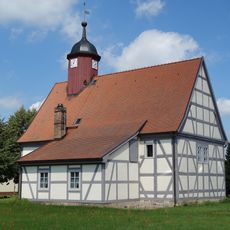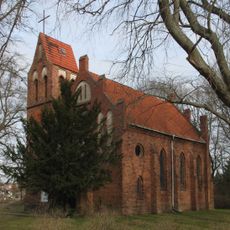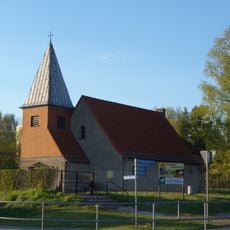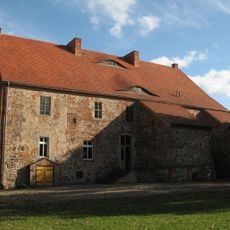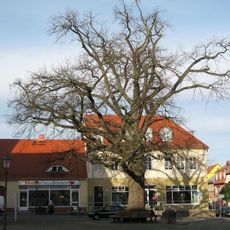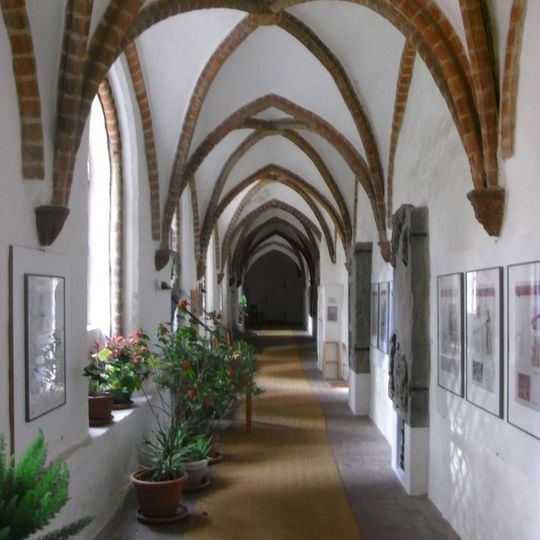
Zehdenick Abbey, Cistercian monastery in Zehdenick, Germany.
Zehdenick Abbey is a Cistercian monastery in Brandenburg featuring partially preserved buildings, cloister sections, and medieval agricultural structures that remain from its foundation. The complex demonstrates the standard layout these religious communities used, with functional spaces designed for regulated monastic life.
The monastery was established in 1250 and initially operated as a convent for nuns following Cistercian rules with a small community. After the Reformation took hold in 1541, it transformed into a secular institution for nobility and lost its original religious purpose.
The place takes its name from Zehde, the founding nun, whose memory continues to shape how locals understand the site. Visitors can observe in the remaining spaces how the Cistercian preference for simplicity over decoration shaped every structural choice.
The site is accessible on foot and the remains can be viewed from outside, though some interior spaces open to the public through art exhibitions and community programs. Visiting during daylight hours offers the best experience when architectural details are clearly visible and community activities are underway.
According to local records, the monastery was built on a site where eucharistic miracles were reportedly witnessed in 1249. These miraculous events drew pilgrims from across the region and turned the location into a major medieval pilgrimage destination.
The community of curious travelers
AroundUs brings together thousands of curated places, local tips, and hidden gems, enriched daily by 92,663 contributors worldwide.