Schorfheide-Chorin Biosphere Reserve, Biosphere reserve in Brandenburg, Germany
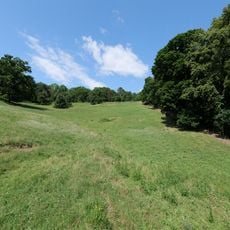
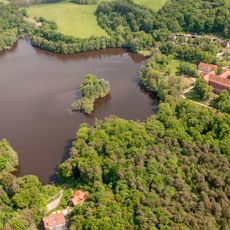
The Schorfheide-Chorin Biosphere Reserve covers 129,160 hectares across the Brandenburg districts of Uckermark, Barnim, Märkisch-Oderland and Oberhavel. Its landscape features moraine hills up to 100 metres high, 240 lakes including the deep Werbellinsee, pine and beech forests, and the flat Niederoderbruch, which lies just 0.5 metres above sea level. The reserve is divided into four protection zones, with a core zone of 3,901 hectares.
The reserve was established on 12 September 1990 under East Germany's National Park Programme, initiated by Lothar de Maizière. The Grumsin beech forest was recognised as part of the UNESCO World Natural Heritage in 2011. From the Middle Ages until the Thirty Years' War, the Chorin monastery managed the area; later it served as a hunting ground for nobility, Hermann Göring's Carinhall, and East German leaders.
The Chorin Monastery from the 13th century with its brick architecture shapes the cultural identity of this region and shows how people have lived and worked here for centuries. The surrounding landscape remains intertwined with this heritage and is maintained by local communities as part of their identity.
The reserve is split into zones I to IV: zone I is core nature protection with no economic use, zone II covers the remaining nature reserves, zone III is the protected cultural landscape, and zone IV takes in the devastated areas of the Britzer Platte and western Schorfheide. Core zone reserves total 3,901 hectares, about 3% of the reserve.
The Grumsin beech forest within the reserve is part of a worldwide network of over 40 beech forests and shows how ancient European forests are protected together. This special connection makes the site a learning place for international nature conservation.
The community of curious travelers
AroundUs brings together thousands of curated places, local tips, and hidden gems, enriched daily by 93,065 contributors worldwide.