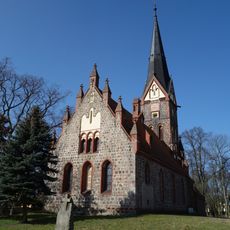
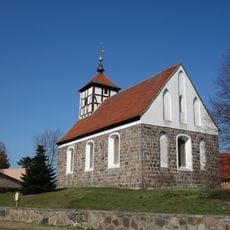
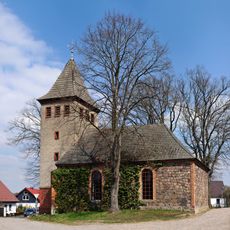
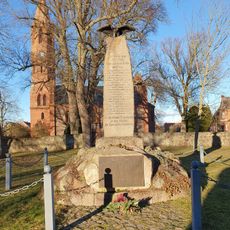
Chorin Abbey, Cistercian monastery in Chorin, Brandenburg, Germany
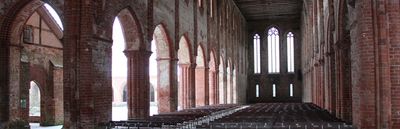
Chorin Abbey is a former Cistercian monastery in Chorin, Brandenburg, built from red brick in the Gothic style. The complex displays pointed arches, steep gables, and towers rising above the sprawling ruins.
Margraves Johann I and Otto III of Brandenburg founded the monastery in 1258 for the Cistercian order. The monks left the site after the Reformation in 1542, and the buildings fell into decay over the following centuries.
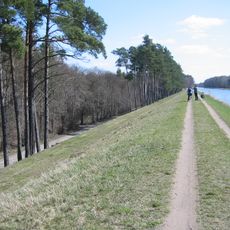
The name Chorin is probably of Slavic origin, from the adjective chory ("sick"), interpreted with the former Chorin lake as "fish-poor water". The monks lowered that lake by about 1.75 m to build the abbey; it is now the Amtssee, and the former swamp is called "fauler Bruch". A permanent exhibition opened in 2017 on monastic life and on Schinkel's conservation work.
The site sits at the edge of a wooded area and is easily reached on foot from the village of Chorin. Visitors should wear sturdy footwear as parts of the grounds feature cobblestones and uneven surfaces.
Karl Friedrich Schinkel championed the ruins in the early 19th century, turning them into an early example of Prussian monument care. The monastery church has no roof, so visitors today walk through the nave under open sky.
The community of curious travelers
AroundUs brings together thousands of curated places, local tips, and hidden gems, enriched daily by 94,344 contributors worldwide.