Experimental Radio Station Eberswalde, pioneer installation for radio
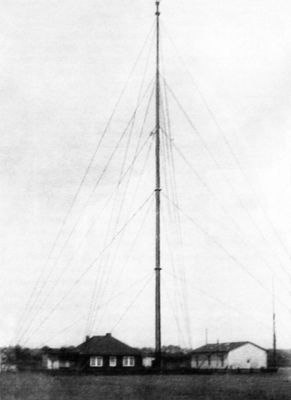
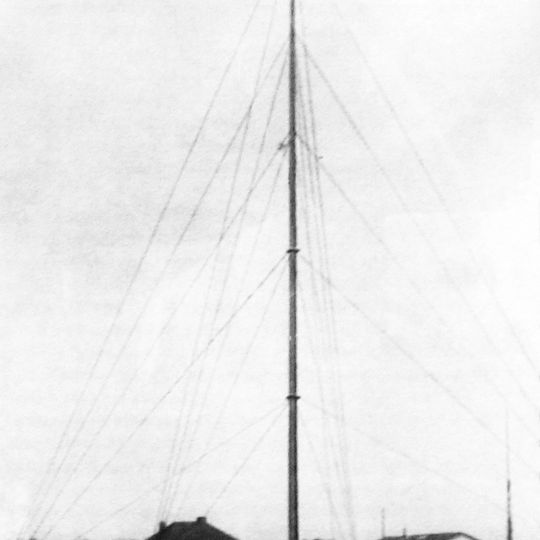
The Experimental Radio Station Eberswalde was a facility for testing radio technology near a canal in Brandenburg. It featured a central wooden mast approximately 70 meters high, supported by sixteen smaller masts, and used arc and machine transmitters to send telegraph signals.
The facility was founded in 1908 by the Held & Francke company and began operations in February 1909 to develop radio technology. From 1920 it began test transmissions of speech, from 1928 an experimental radio beacon with special antenna equipment followed, until the facility was gradually shut down during the 1930s.
The station was founded around 1909 as an experimental facility and reflects Germany's early efforts in radio technology. The site represents a turning point where wireless communication shifted from military use toward public communication purposes.
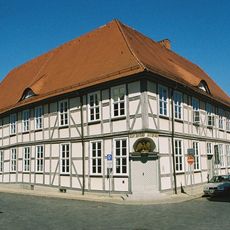
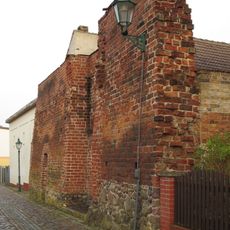
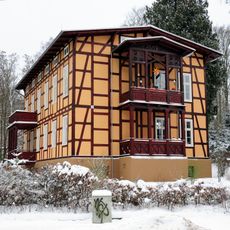
The site is now a heritage-protected location with preserved structures and masts accessible as a historical monument. Visitors can explore the remnants of the facility and view exhibitions about early radio history and radio technology development in Germany.
Between 1923 and 1925, the station regularly transmitted music programs even though it never became a public broadcaster. These classical music broadcasts were known among enthusiasts and demonstrated the technical feasibility of transmitting music in early radio technology.
The community of curious travelers
AroundUs brings together thousands of curated places, local tips, and hidden gems, enriched daily by 90,794 contributors worldwide.