Brückenkanal Eberswalde, Canal bridge in Eberswalde, Germany
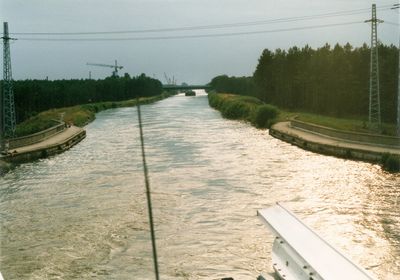
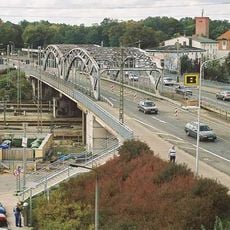
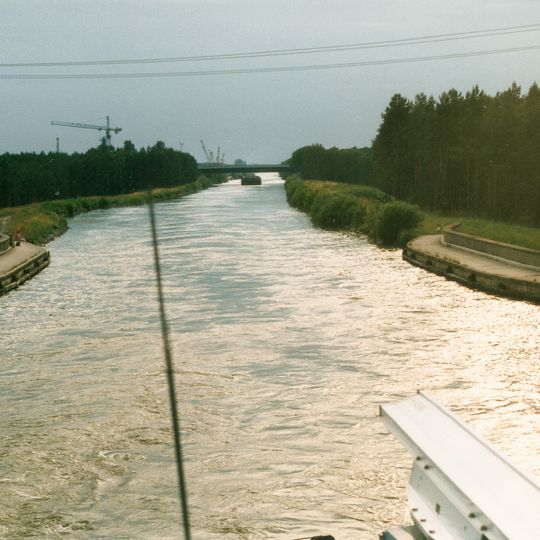
The Eberswalde Canal Bridge was a concrete and steel structure that carried a shipping canal over a double-track railway line. The construction was about 27 meters wide with two approximately 8-meter-wide openings that allowed trains to pass underneath.
The structure was built in 1912 to connect the Berlin-Stettin waterway with the railway, two of the most important transport routes of that time. After nearly a century of operation, it was demolished in 2007 when it was no longer needed.
The structure showed how early 1900s cities managed to move both ships and trains through the same area without stopping each other. It reflected the importance of water transport and rail lines working together for commerce.
The site is located in Eberswalde and can be easily reached by visitors interested in industrial architecture or transport history. Today, only historical photographs and records remain as reminders of this structure since the original bridge no longer stands.
The bridge used lead plates with bitumen layers for waterproofing, though locals long believed animal materials had been used instead. This independent solution was typical of German engineering practices from that era.
The community of curious travelers
AroundUs brings together thousands of curated places, local tips, and hidden gems, enriched daily by 60,000 contributors worldwide.