Aschendorf-Hümmling, Administrative district in Lower Saxony, Germany
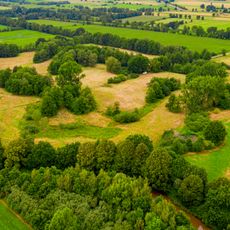
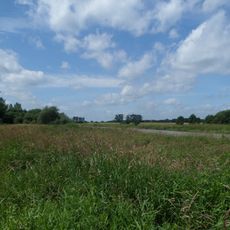
Aschendorf-Hümmling was an administrative district in Lower Saxony covering the northern part of Emsland, divided between two distinct landscape regions. The territory consisted of rural communities, farmland, and a network of routes connecting the various settlements throughout the area.
The district formed in 1932 when Aschendorf and Hümmling merged into a single administrative unit. It remained independent for approximately 45 years before being absorbed into Emsland in 1977.
The region was deeply rooted in Catholic faith, which locals expressed through their distinctive dialects and daily practices. The area became known for buckwheat-based foods that remained part of local cooking traditions.
Aschendorf served as the administrative center and was connected to surrounding settlements through established transport routes. The infrastructure made it easy to travel between different parts of the district.
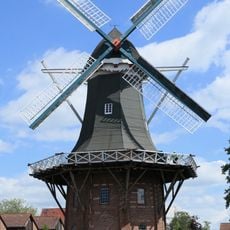
The area housed the Hüven Mill, which used both wind and water power in a single structure. This dual-power system was an unusual engineering solution for grain processing in rural northern Germany.
The community of curious travelers
AroundUs brings together thousands of curated places, local tips, and hidden gems, enriched daily by 90,829 contributors worldwide.