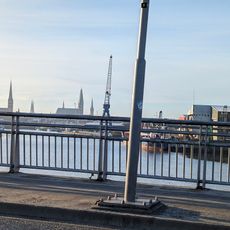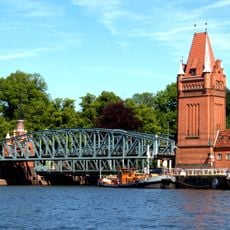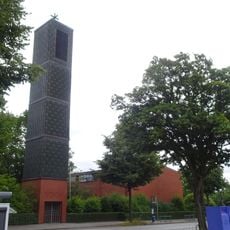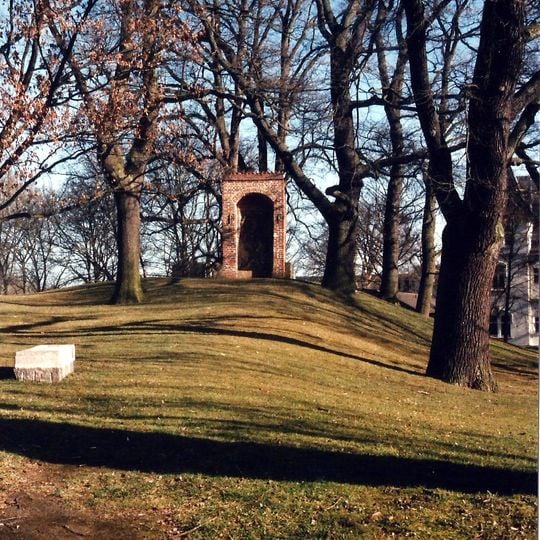
Lübecker Kreuzweg, Religious monument in Lübeck, Germany.
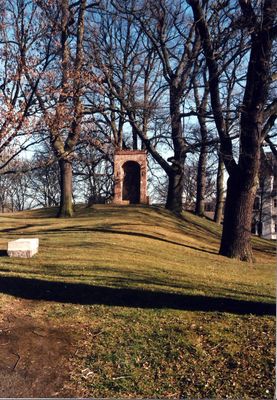
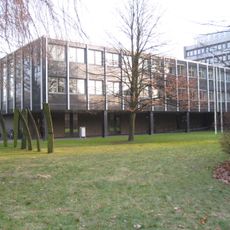
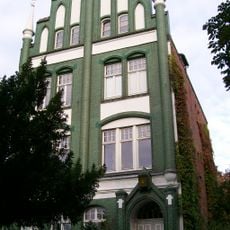
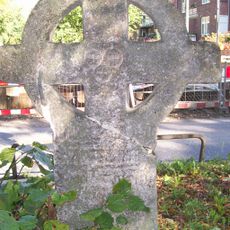
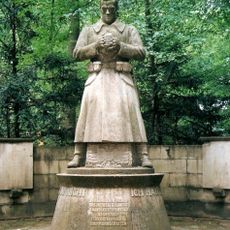
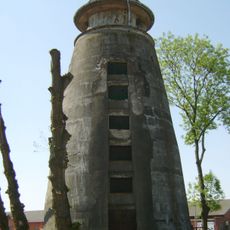
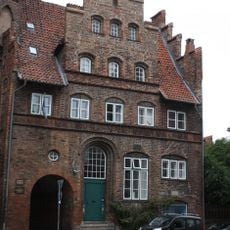
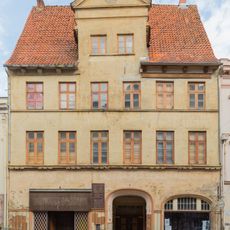
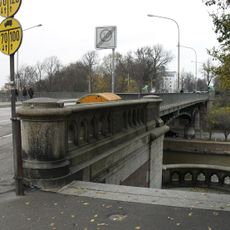
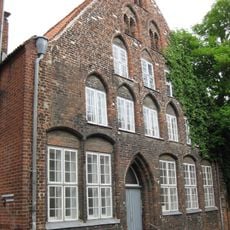
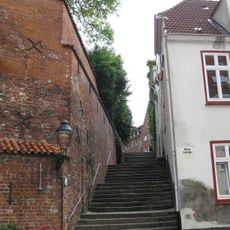
The Lübecker Kreuzweg is a pilgrimage path with fourteen stations depicting the Passion of Christ, running from St. Jakobi Church to Jerusalemsberg hill over approximately 1.6 kilometers. Visitors encounter artistic representations along the way that show different moments of Jesus's final journey, with some stations featuring relief carvings and others displaying more modern sculptural elements.
The path originated in 1493 after merchant Hinrich Constin visited Jerusalem's Via Dolorosa in 1468 and decided to recreate it in Lübeck. Over time, the route experienced changes, losing some original medieval stations before contemporary sculptors added new works to restore and expand the tradition.
Thousands of pilgrims walk this path each Good Friday, reading and singing together to commemorate the Passion. This living tradition connects deep religious meaning with local community identity.
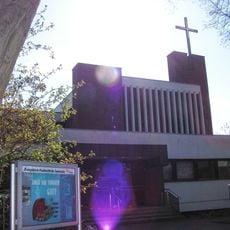
The path starts at St. Jakobi Church and winds through streets and green spaces to reach Jerusalemsberg hill. Plan to spend one to two hours walking, wear sturdy shoes, and be prepared for uneven terrain, especially during the climb to the summit.
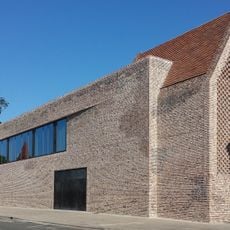
Only the first and last of the original medieval stations survive today, while five new sculptures were added through an art symposium in 2013. This blend of historical remnants and contemporary art creates a dialogue across different time periods.
The community of curious travelers
AroundUs brings together thousands of curated places, local tips, and hidden gems, enriched daily by 60,000 contributors worldwide.