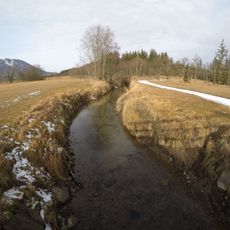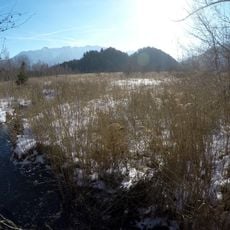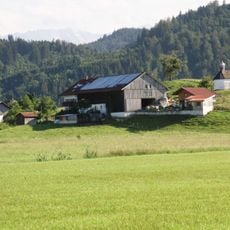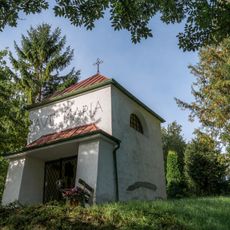
Murnauer Moos, Protected swamp in Garmisch-Partenkirchen, Germany.
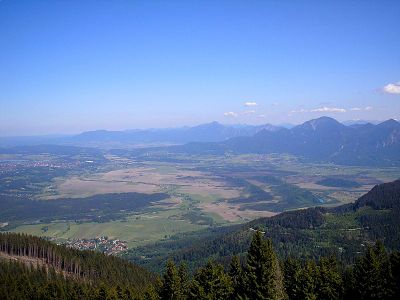
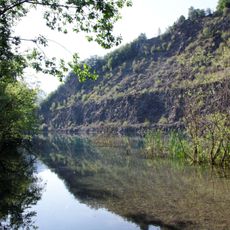
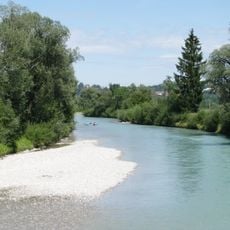
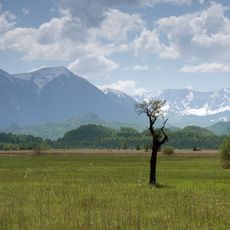
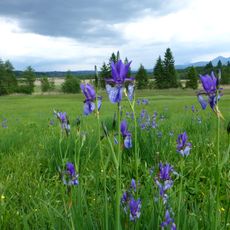
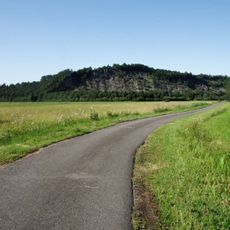
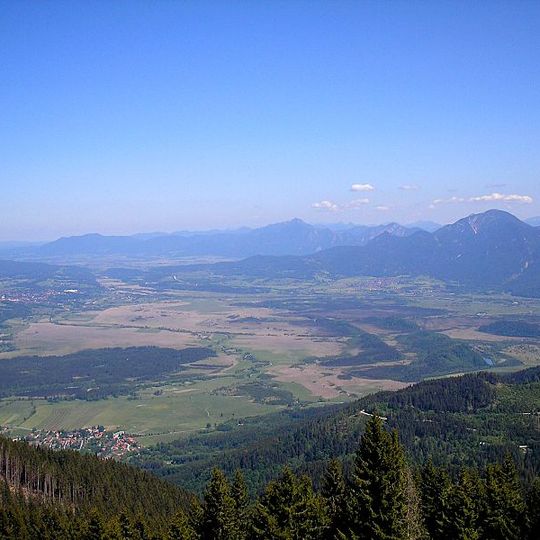
Murnauer Moos is a bog and fen area in the Bavarian pre-Alps, located southwest of Munich near the town of Murnau am Staffelsee. It combines fens, wet meadows, reed beds, and raised bog sections across a wide, flat basin surrounded by low hills and mountain views.
The area took shape after the last ice age, when meltwater settled in the lowlands and slowly gave rise to layers of peat over thousands of years. In the 20th century, drainage works and peat cutting reduced much of the wetland before legal protection was put in place.
The Murnauer Moos is one of the largest connected bog areas in Central Europe, something visitors notice as soon as they step onto the open terrain and see the horizon stretch unbroken in all directions. The walking paths are laid out so that people move through the landscape without disturbing the ground, keeping the experience close and direct.
The reserve can be reached on foot from nearby villages, with marked trails starting from places like Murnau or Ohlstadt at the edges of the wetland. Spring and summer are good times to visit, when the ground is easier to walk and the wildlife more active.
Beneath the surface lies one of Bavaria's deepest peat layers, reaching down around 60 feet (18 meters) in places and holding ancient pollen, seeds, and wood fragments. Researchers use these layers to piece together how the local climate and plant life looked thousands of years ago.
The community of curious travelers
AroundUs brings together thousands of curated places, local tips, and hidden gems, enriched daily by 60,000 contributors worldwide.