Maurisches Landhaus, Moorish villa in Stuttgart, Germany
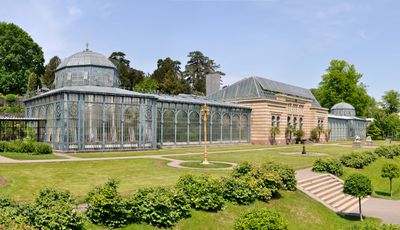
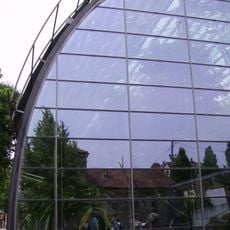
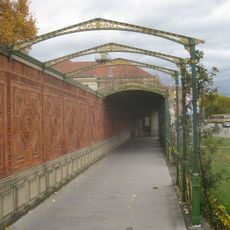
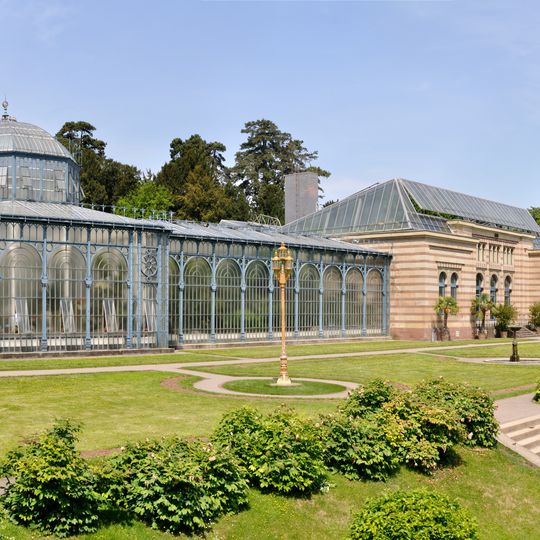
The Maurisches Landhaus is a villa in Stuttgart combining North African design elements with European construction methods, visible in the iron framework at its ends and decorative arched windows. The building contains five greenhouse sections housing more than 1,000 tropical and subtropical plant species from various continents.
Architect Karl Ludwig Wilhelm Zanth designed this residence in 1846 after King Wilhelm I of Württemberg changed initial plans for a bathhouse following the discovery of a mineral spring. This shift led to the creation of a private dwelling with extraordinary garden spaces.
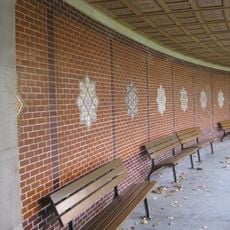
The building quotes motifs from Granada's Alhambra Palace and locals often refer to it as the "Alhambra on the Neckar River". These references to Moorish art remain visible in the architecture and shape how people experience the place today.
Visitors should allow time to explore the greenhouses thoroughly, as the diversity of tropical plants warrants careful attention. The different sections connect through adjoining spaces and can be navigated easily while offering multiple views of the site's history.
From 1962 to 2014, the lower floor housed Europe's first nocturnal animal exhibit, a display specially designed for night-active creatures. This exhibition was groundbreaking at the time and attracted visitors eager to discover how animals behave after dark.
The community of curious travelers
AroundUs brings together thousands of curated places, local tips, and hidden gems, enriched daily by 90,790 contributors worldwide.