Oldenburg, Stony meteorite in Oldenburg, Germany
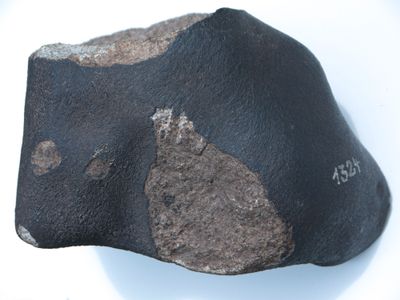
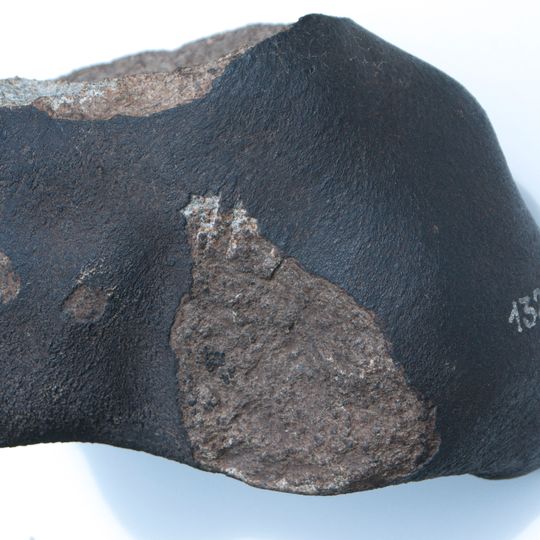
The Oldenburg meteorite is a stony meteorite that fell in the Lower Saxony region of Germany in 1930 and is made up of silicate minerals and metallic components. The two recovered stones were found in a rural area between the villages of Bissel and Beverbruch.
On September 10, 1930, two stones fell from space and landed in the countryside near Oldenburg, where they were quickly recovered. The find was documented by scientists and the pieces entered institutional collections, where they have remained ever since.
Meteorites like this one are often named after the place where they land, which is why this one carries the name of the region where it was found. That naming tradition helps scientists around the world identify and catalog finds with precision.
The fragments of this meteorite are held in scientific collections and are not on display at any public site. Anyone wishing to see them should reach out directly to the relevant research institutions or museums to ask about access.
This meteorite belongs to the L6 subgroup of ordinary chondrites, which means it went through strong thermal changes inside its parent body before being ejected into space. That level of heat processing is recorded in its mineral structure and tells researchers about conditions in the early solar system.
The community of curious travelers
AroundUs brings together thousands of curated places, local tips, and hidden gems, enriched daily by 60,000 contributors worldwide.