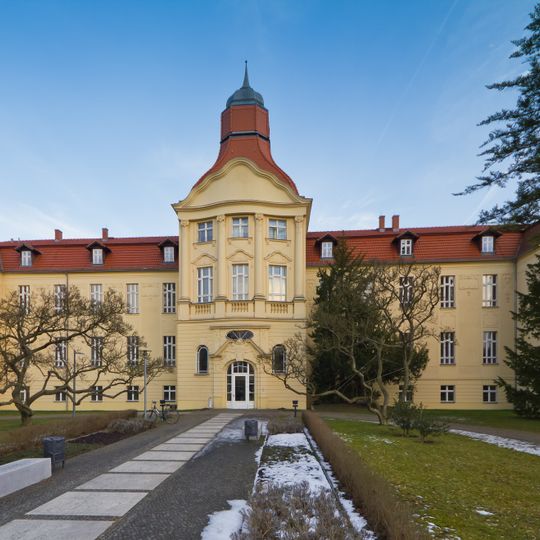
Rittberg-Krankenhaus, Former hospital and architectural monument in Steglitz-Zehlendorf, Germany
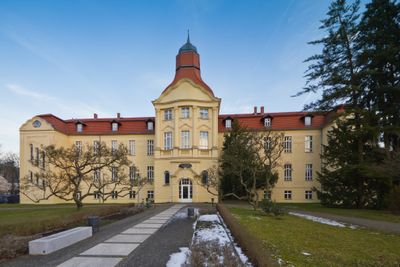
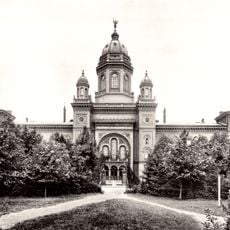
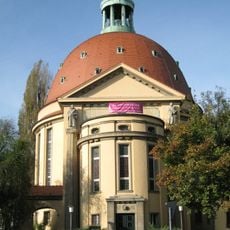
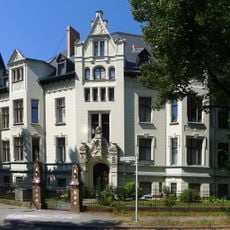
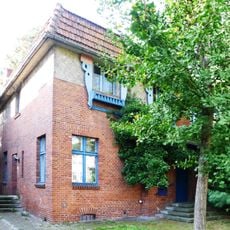
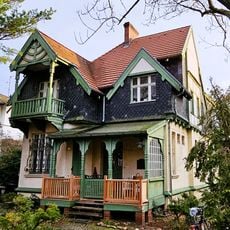
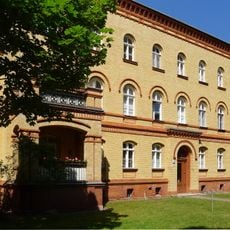
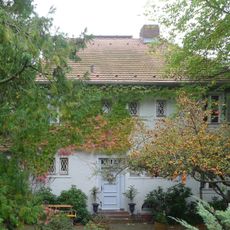
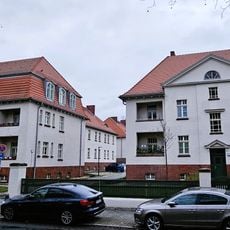
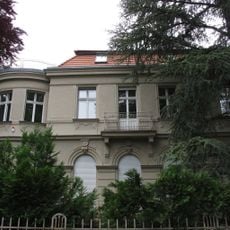
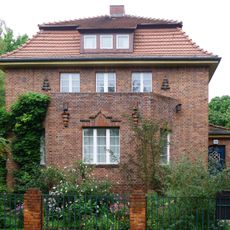
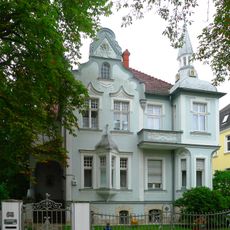
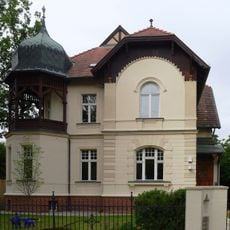
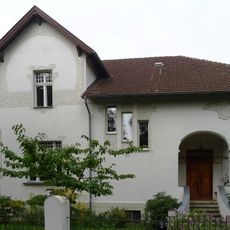
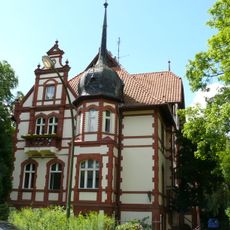
Rittberg-Krankenhaus is a former hospital and architectural monument in Steglitz-Zehlendorf with an imposing three-wing structure of plastered masonry and characteristic mansard roofs. The facade combines neo-baroque elements with Art Nouveau details, creating an unusual blend of formal architecture.
The building was established in 1904 as Berlin's first homeopathic hospital, initiated by the Berlin Association of Homeopathic Physicians and benefactor Carl Ferdinand Wieseke. During World War II it continued to serve medical purposes, later losing its original function.
The building reflects Berlin's medical heritage and its role as a healing place for diverse populations. Visitors can see how the structure embodies the hopes and ideals of the early homeopathy movement.
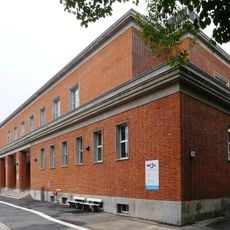
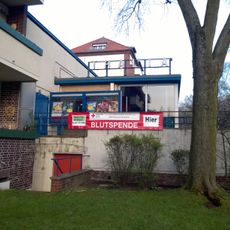
The complex now houses the German Red Cross Federal Association headquarters following extensive renovations completed in 2000. Access and visiting times may vary depending on the building's current operations and functions.
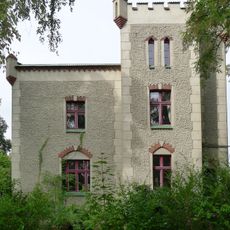
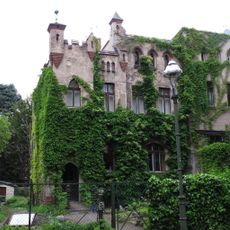
Architect Theodor Thöns deliberately designed the building to resemble a castle rather than a hospital, fundamentally challenging early hospital architecture conventions. This unusual design aimed to comfort patients and convey a sense of security and dignity.
The community of curious travelers
AroundUs brings together thousands of curated places, local tips, and hidden gems, enriched daily by 90,920 contributors worldwide.