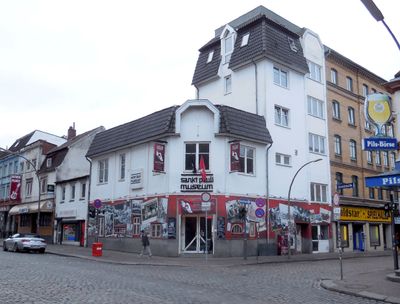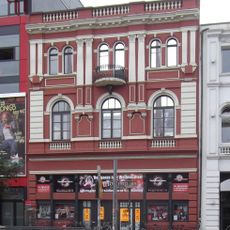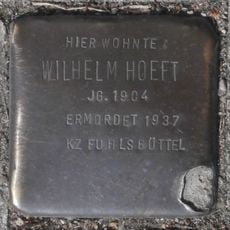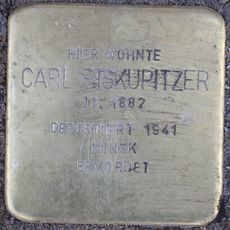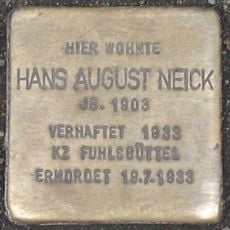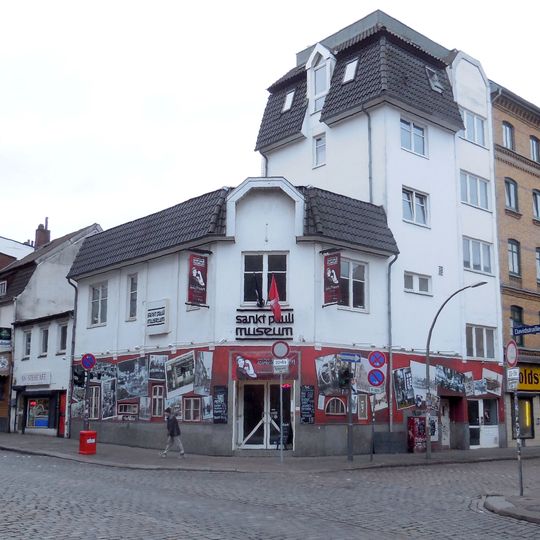
Sankt-Pauli-Museum, Social history museum in St. Pauli, Germany.
The Sankt-Pauli-Museum documents the history of this Hamburg neighborhood through photographs, documents, and objects from different periods. The collection shows how this part of the city developed from its port origins through entertainment districts to its current form.
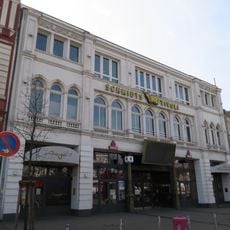
The museum was founded in 1988 and first opened its exhibition spaces in 1991 in Schmidt's Tivoli building on Spielbudenplatz. It moved to its current location in 2020 as circumstances in the neighborhood changed.
The museum presents exhibitions about port workers, entertainment venues, and social movements that shaped how people lived together in this part of Hamburg. Visitors see how these places and events influenced the neighborhood's identity over time.
The location on Nobistor is easy to reach by public transport and sits in the middle of the neighborhood. The exhibitions are clearly organized so visitors can explore the different sections at their own pace.
The museum gathers records from government offices, residents, and businesses, showing the neighborhood's transformation from many different viewpoints. This varied documentation reveals how different groups experienced and understood the changes happening around them.
The community of curious travelers
AroundUs brings together thousands of curated places, local tips, and hidden gems, enriched daily by 92,784 contributors worldwide.