Schloss Gutenbrunn, Château and heritage monument in Homburg, Germany
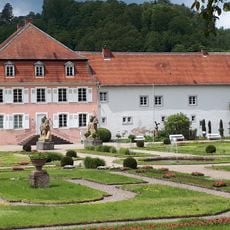
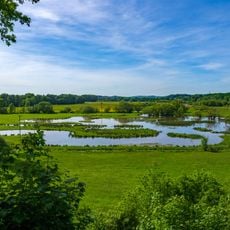
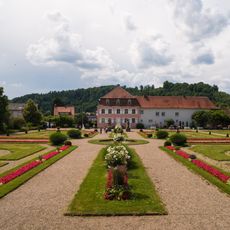
Schloss Gutenbrunn is a castle complex with a rectangular main building topped by pavilion roofs and surrounded by water-filled moats. The estate preserves its western and eastern wing structures and sits in a side valley of the Blies River near the L 111 road.
The castle was built between 1728 and 1730 as a residence commissioned by a German duke for his wife, with a French architect overseeing the design. The property underwent a major change of use in the second half of the 1700s when an important manufacturing operation occupied the building.
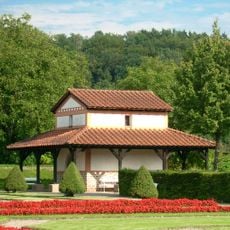
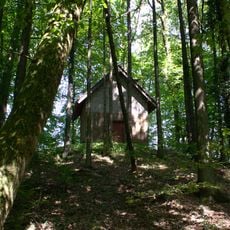
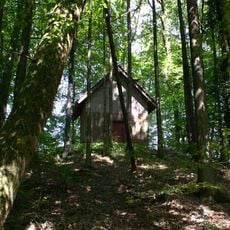
The Walpurgis Chapel on the estate displays an unusual elongated octagonal shape created by a Swedish architect in the early 1700s. The structure reflects the personal taste of the castle's former mistress and stands as a distinct focal point on the grounds today.
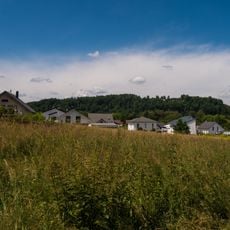
The castle sits in a quiet side valley of the Blies and is easily reached from the L 111 road. Visitors should note that the surrounding area is rural and best explored on foot.
Between 1765 and 1767, a porcelain workshop operated on the castle grounds, producing items marked with regional initials. The workshop later relocated and continued its operations elsewhere.
The community of curious travelers
AroundUs brings together thousands of curated places, local tips, and hidden gems, enriched daily by 91,361 contributors worldwide.