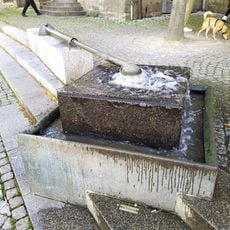
Sülte, Monastery and spring in Hildesheim, Germany
The Sülte was a monastery complex situated east of Hildesheim's city walls, containing a church, hospital, and hostel for pilgrims. The buildings stood near a natural salt spring that gave the place its name and attracted people seeking its waters.
The monastery was founded in 1022 by Bishop Godehard to address local fears about supernatural occurrences in the surrounding marshlands. It later underwent major reforms in the 1400s that influenced religious communities across the region before being demolished in 1830.
The monastery's scriptorium became known for producing religious manuscripts after the Windesheim Reform took hold. These handwritten texts reflected the intellectual work of the monks and remain today as evidence of the site's role in spreading knowledge and faith.
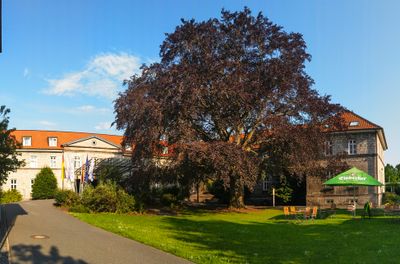
The original site no longer shows monastery buildings, as they were torn down in 1830 and replaced by a hotel and event center. Visitors can see the modern complex that now occupies the location.
Johannes Busch led a major transformation of the monastery in 1439, introducing reforms that quickly spread to other religious communities across Lower Saxony. This shift made the site a model for how monasteries could adapt and remain relevant to their time.
The community of curious travelers
AroundUs brings together thousands of curated places, local tips, and hidden gems, enriched daily by 92,712 contributors worldwide.