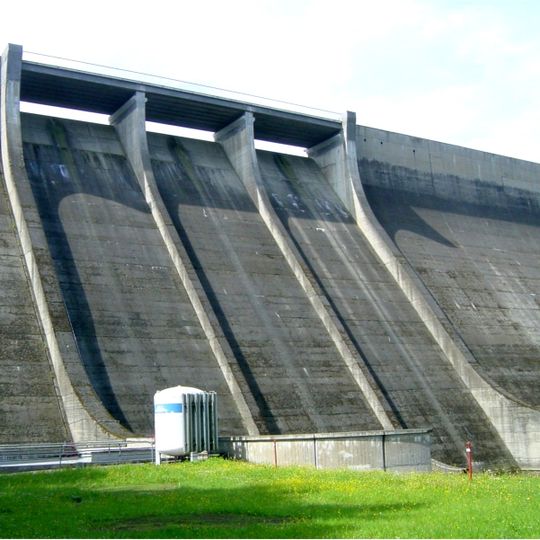
Talsperre Dröda, reservoir in Germany
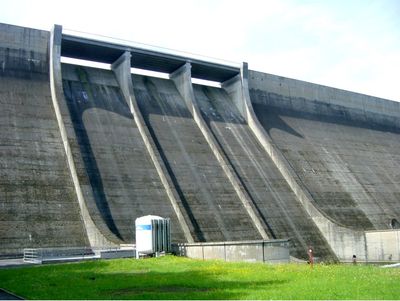
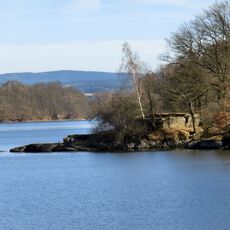
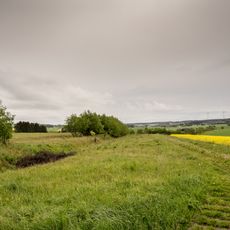
Talsperre Dröda is a large reservoir in the Vogtland region of Saxony built across two river systems to store water for surrounding communities. The concrete wall extends over 375 meters and rises more than 50 meters high, with water behind it forming two elongated basins whose shorelines vary from shallow areas with aquatic plants to steep drop-offs into deeper water.
Construction of the reservoir began in 1964 and ended in 1971, with a concrete wall built to supply water to surrounding cities including Plauen, Oelsnitz, and Adorf plus approximately 35 additional communities. Completion of the dam marked a turning point in the region's water management and required the relocation of about 170 homes and farms along with the repositioning of roads and cemeteries.
The name Dröda comes from local place names in the region. The water is used mainly by local residents for fishing, with activities adjusting to the seasons and shoreline areas frequented differently depending on weather conditions.
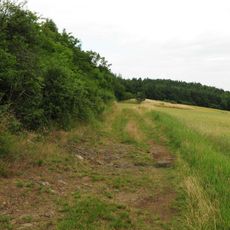
The area around the reservoir is accessible for walks on marked paths, with fishing allowed with proper permits. Swimming, boating, and camping are not permitted to protect water quality, and parking areas and information boards are available for visitors on site.
The reservoir supplies drinking water to more than 35 communities while simultaneously functioning as flood protection through controlled release of excess water. Additionally, a small power plant generates electricity, allowing the dam to contribute to local energy supply alongside its primary water management role.
The community of curious travelers
AroundUs brings together thousands of curated places, local tips, and hidden gems, enriched daily by 90,818 contributors worldwide.