Städtischer Friedhof Görlitz, Cultural heritage cemetery in Görlitz, Germany
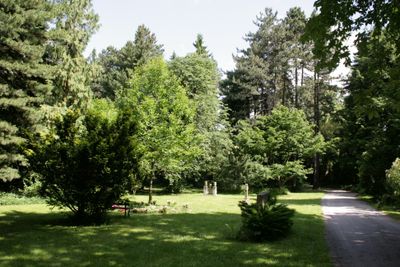
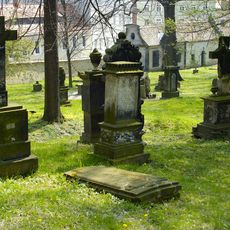
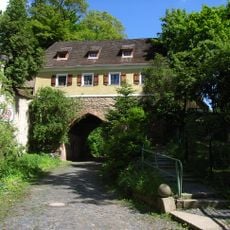
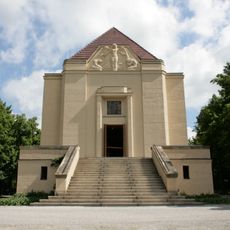
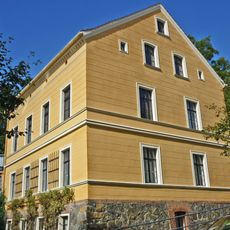
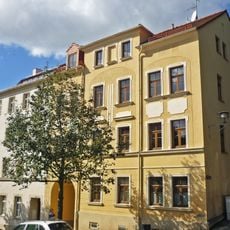
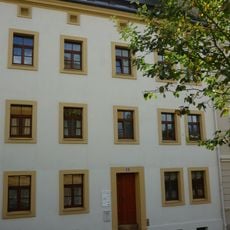
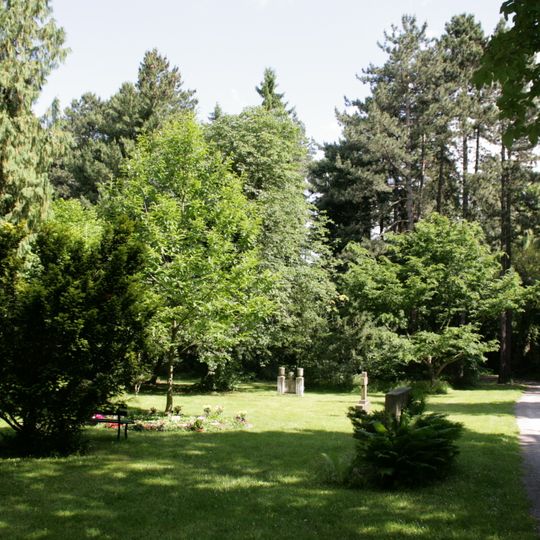
The Städtischer Friedhof Görlitz is a burial ground with spacious pathways and diverse graves in different architectural styles. The grounds include memorial monuments, a historic hall building, and a crematorium facility that shape its overall character.
The city laid out the cemetery north of the Nikolaifriedhof and completed it in 1847, after the older burial ground could no longer serve the growing town. Its first grave was that of former mayor Gottlob Ludwig Demiani, who died in 1846 and was buried elsewhere until the grounds were ready. The Old Feierhalle was inaugurated in 1874, and Heinrich Küster's crematorium was built in 1913 at the southern end toward the Ölberggarten. The cemetery was enlarged in 1858, 1880, 1913 and finally 1945.
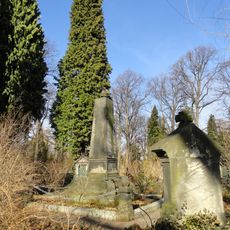
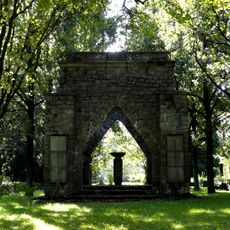
The cemetery serves as a place of remembrance with monuments honoring the fallen and departed from different eras. The graves and memorial stones reflect local history and show how the community maintains connection to those laid to rest here.
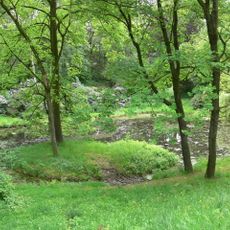
The cemetery lies between Friedhofstraße to the west and Ziegeleiweg to the east, with the Alter Friedhof adjoining the Nikolaifriedhof and the Neuer Friedhof across Friedhofstraße to the northwest. Tram tracks bound it on the south, west and north. Large sections have been converted into park-like grounds, and tree burials are possible in a wooded area.
During World War I about 6,500 Greek soldiers of the 4th Army Corps were interned in Görlitz; many died of the Spanish flu rather than in combat and lie buried here. Their graves are among the war burial plots on the cemetery.
The community of curious travelers
AroundUs brings together thousands of curated places, local tips, and hidden gems, enriched daily by 94,646 contributors worldwide.