Totenkirche, Medieval church ruin in Schwalmstadt, Germany
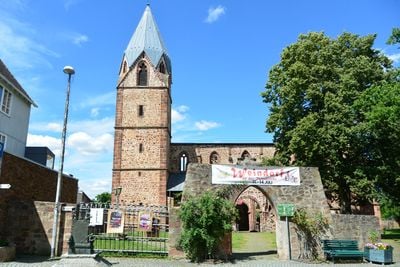
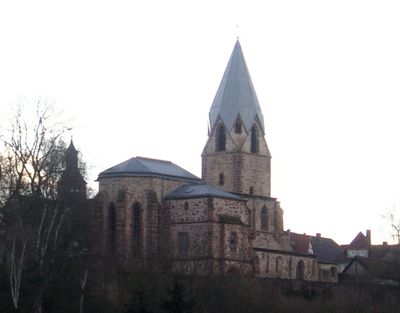
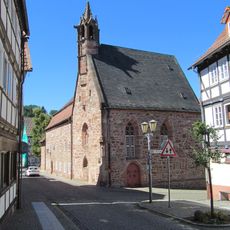
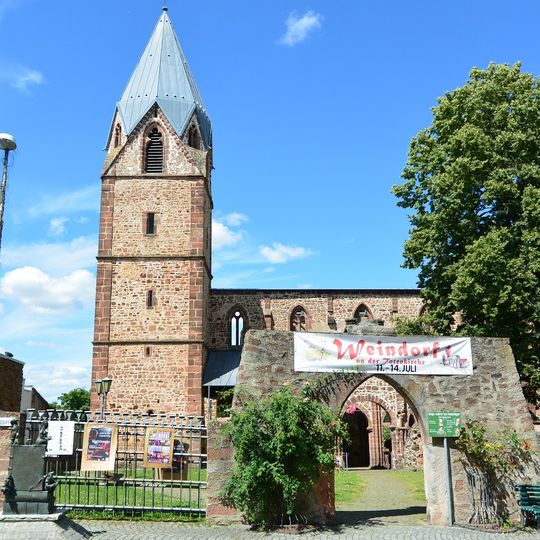
Totenkirche is a stone church building with a prominent bell tower rising about 35 meters above Schwalmstadt, displaying Romanesque features. The structure shows a blend of earlier and later architectural styles in its walls and design elements.
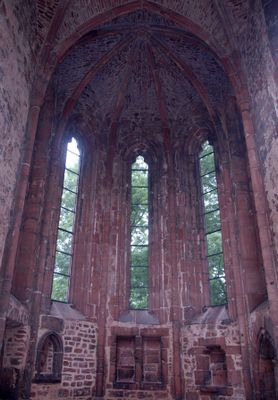
Built as the last great basilica of the late 12th century, in the transition from Romanesque to Gothic, the church was completed around 1265 and served as Treysa's parish church, dedicated to St. Martin, until the 16th century. After the Reformation, Landgrave Philipp granted the town the former Dominican monastery church in 1531, and the old parish church became the Totenkirche for funeral services. Roof damage in 1830 and structural decay led to its abandonment around 1835; a preservation society founded in 1993 secured the ruin, and a 2006 service restored the name St. Martin.
The name Totenkirche, meaning 'church of the dead', dates from 1531, when the old parish church was relegated to funeral services after the Reformation. Since the restoration, the ruin has hosted the annual Weindorf wine festival and open-air musicals, and in 2006 a service formally restored the name St. Martin.
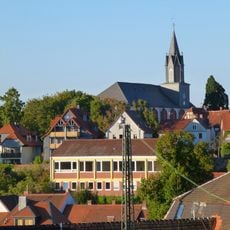
The ruin stands in Treysa's old town, in the Schwalmstadt district of Hesse. The tower is about 35 meters high, and the site is used for events such as the annual Weindorf and open-air musicals. The Förderkreis Totenkirche e.V. was founded in 1993 and dissolved in 2011 after securing the structure.
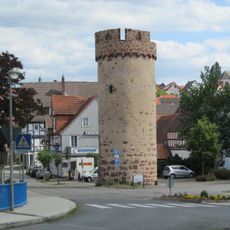
The roughly 35-metre bell tower, the Buttermilchturm, is named after a siege legend: townspeople are said to have painted it with buttermilk to convince besiegers the town still had supplies. Records show the parish did buy milk then, to make casein white paint; the tower stayed whitewashed for a long time and lost that coating during the recent stabilisation works.
The community of curious travelers
AroundUs brings together thousands of curated places, local tips, and hidden gems, enriched daily by 93,360 contributors worldwide.