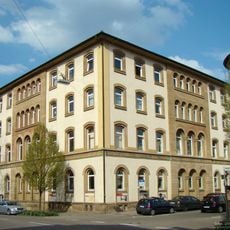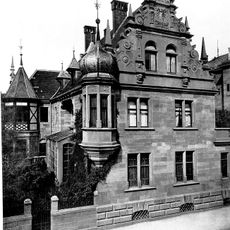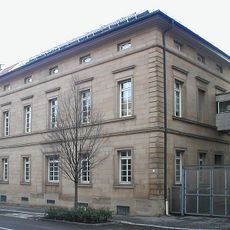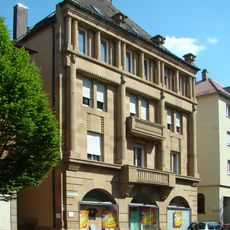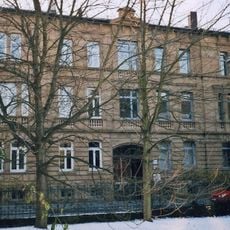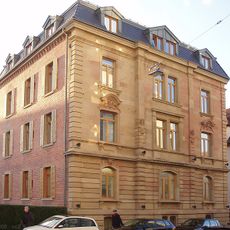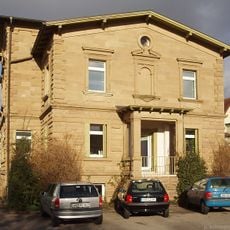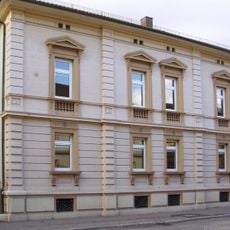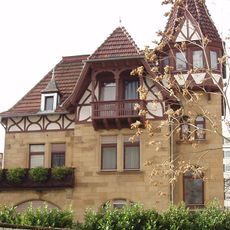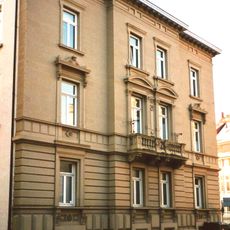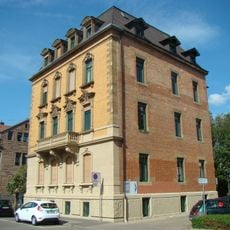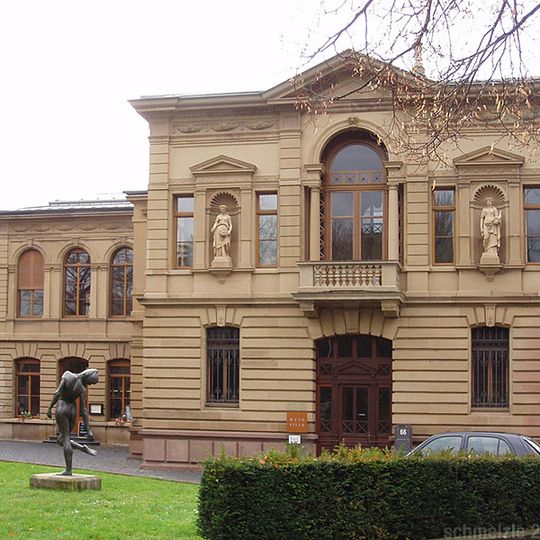
Cäcilienstraße 66, Cultural heritage monument in Heilbronn, Germany.
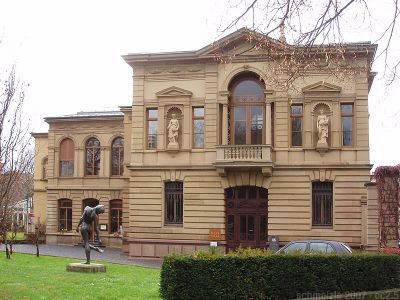
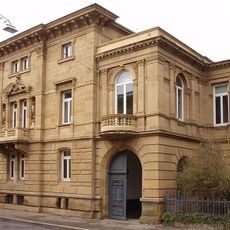
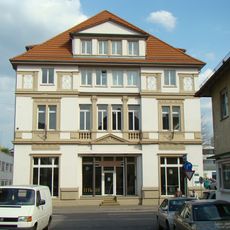
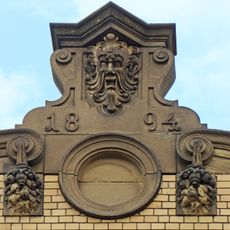
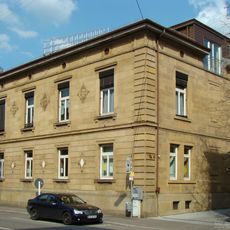
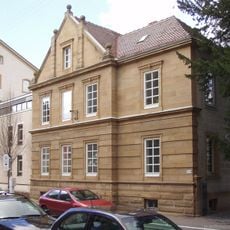
Villa Faißt is a listed villa at Cäcilienstraße 66 in Heilbronn, built as a shell in 1873 by Christian Zillhardt and converted into a villa by 1876 under Robert von Reinhardt. Its main building has a projecting entrance bay with a portal, a balustraded balcony and a round-arched loggia flanked by two statues, one holding roses and the other grain ears. A south-side fresco by Bader shows a putto with acanthus leaves.
The shell was built in 1873 to plans by Christian Zillhardt. In 1875 Andreas Faißt, co-founder of the Cluss brewery, bought it, and by 1876 Robert von Reinhardt had converted it into a villa for Faißt's widow Henriette, née Cluss. After her death it passed through several entrepreneurs' hands, housed administrations from 1922, belonged to the city of Heilbronn from 1960 to 1995, and has been run as the Wein-Villa since 2000.
The villa's name comes from brewer Andreas Faißt, who bought the shell in 1875 and had Robert von Reinhardt convert it for his widow Henriette, née Cluss, sister of Adolf and August Cluss. Since 2000 it has been run as the "Wein-Villa" by 16 wine estates and the Heilbronn-Erlenbach-Weinsberg cooperative winery, and the Württemberger Gesellschaft holds its club rooms here.
The building is visible from the street and easily accessible by public transportation or car. It is worth viewing the facade from different positions to fully appreciate all the details of the stone work.
The music room upstairs holds a painted ceiling with a large rectangular skylight in decorative iron glazing, and one wall shows a landscape of the Blue Grotto in Capri. The composer Hugo Wolf played music in this room. In the anteroom, a wall decorated with musical instruments was covered with a white panel to protect it until restoration becomes possible.
The community of curious travelers
AroundUs brings together thousands of curated places, local tips, and hidden gems, enriched daily by 94,466 contributors worldwide.