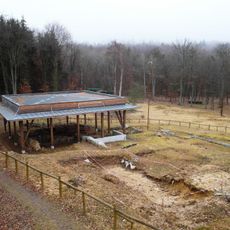
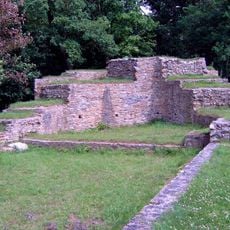
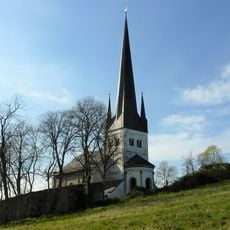
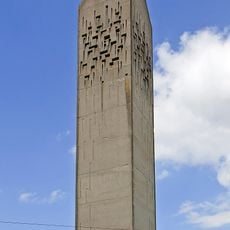
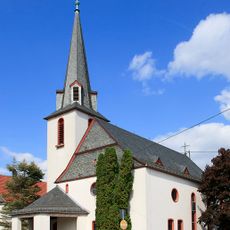
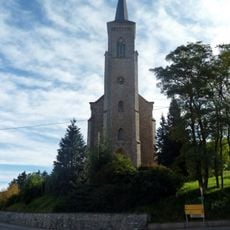
Waldalgesheim chariot burial, Celtic archaeological site in Waldalgesheim, Germany.
The Waldalgesheim chariot burial is a Celtic grave from the 4th century BC containing a two-wheeled chariot, gold rings, bronze vessels, and decorative items. These objects are now displayed at the Rheinisches Landesmuseum in Bonn, where visitors can examine them.
A farmer named Peter Heckert discovered the burial site in 1869 while plowing his field, leading to the recovery of over 30 Celtic artifacts. This finding was exceptional because it provided rare insight into how Celtic elites were buried.
The burial shows how wealthy Celtic women were equipped for their journey to the afterlife, with jewelry, weapons, and vessels reflecting their status and daily life. This practice reveals what Celtic society valued most in those who held power.
The artifacts are not displayed at the original burial location but are housed at the Rheinisches Landesmuseum in Bonn. Visiting the museum collection allows you to see the objects up close and learn more about Celtic craftsmanship.
The objects from this burial established an art style named after the location that influenced Celtic works across Europe. This Waldalgesheim Style featured flowing organic patterns that shaped how people understood Celtic artistry.
The community of curious travelers
AroundUs brings together thousands of curated places, local tips, and hidden gems, enriched daily by 60,000 contributors worldwide.