Wiesbütt-Moor, Protected nature reserve in Flörsbachtal, Germany
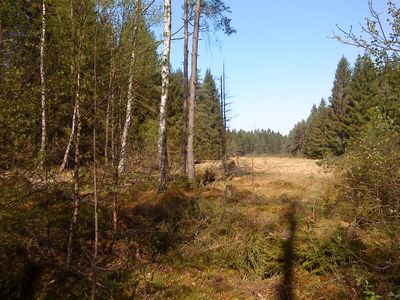
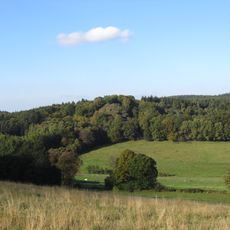
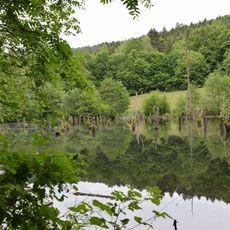
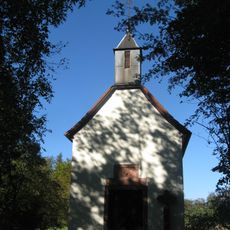
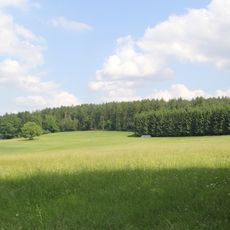
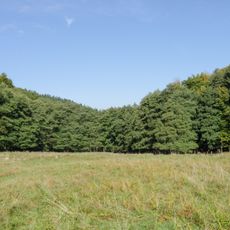
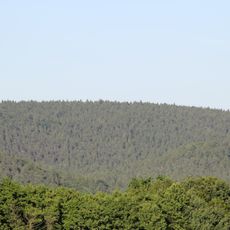
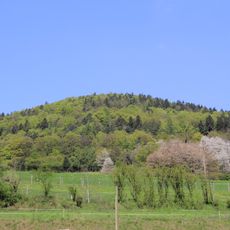
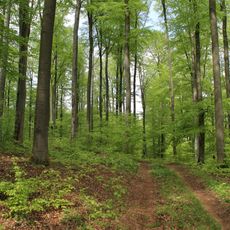
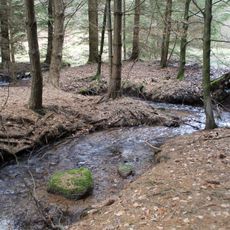
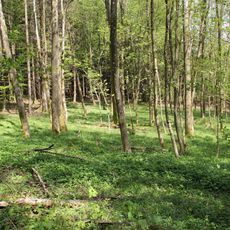
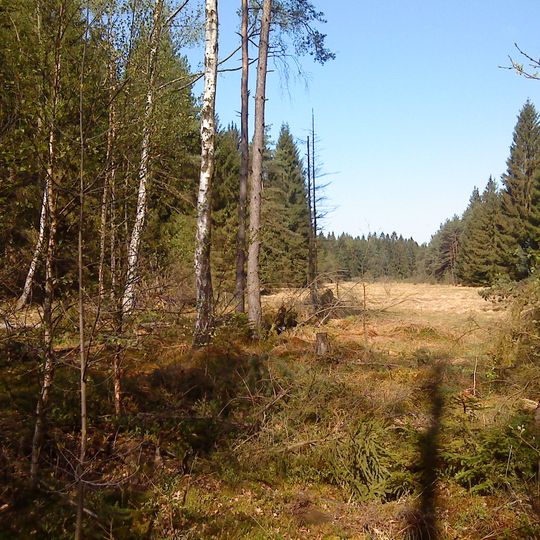
The Wiesbütt-Moor is a nature reserve covering 12.2 hectares at 436 meters elevation and forms the highest intermediate moor stage in the Spessart region. The area features varied vegetation zones ranging from open moor surfaces to surrounding forest edges.
In 1765, the Wiesbütt Lake was dammed to support mining operations, transforming the previously swampy forest landscape. This intervention led to the formation of the moor environment seen today.
The name Judenbörnchen refers to a spring at the moor's edge and comes from Jewish cattle traders who used this water source. This connection to local commerce remains visible in the landscape's name today.
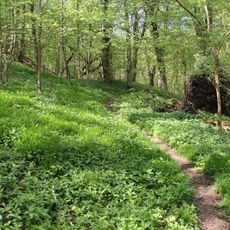
The moor is best explored using the Flörsbacher Panorama trail, a 7.6 kilometer route mixing natural paths, paved roads, and narrow trails. The varied terrain accommodates different fitness levels and hiking preferences.
Carnivorous sundew plants grow in the moor, trapping insects to obtain nitrogen that the nutrient-poor soil cannot provide. This botanical feature results from the extreme conditions of the intermediate moor environment.
The community of curious travelers
AroundUs brings together thousands of curated places, local tips, and hidden gems, enriched daily by 91,082 contributors worldwide.