Wilhelmsplatz, Public square in Offenbach am Main, Germany
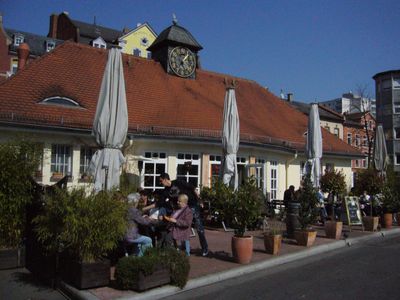
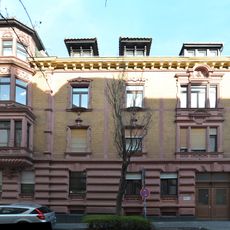
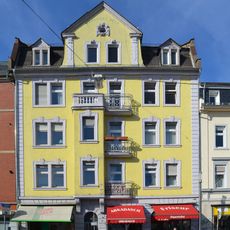
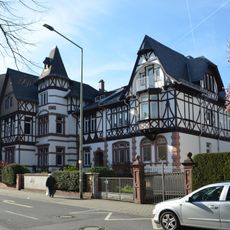
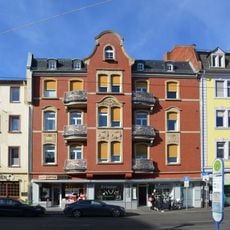
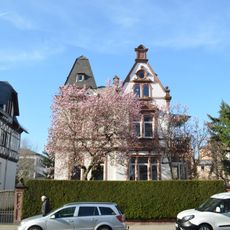
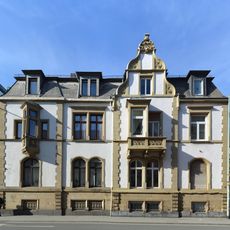
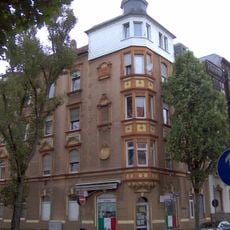
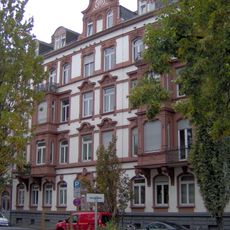
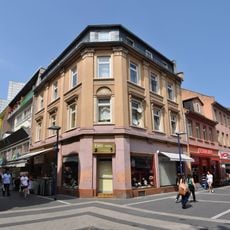
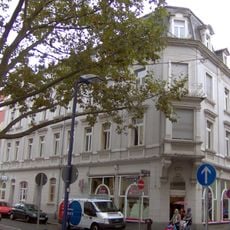
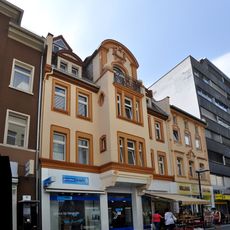
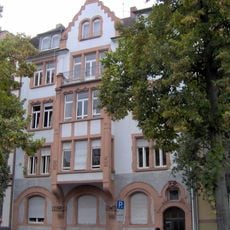
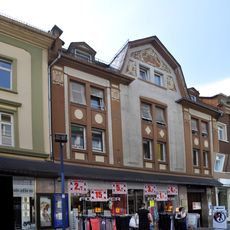
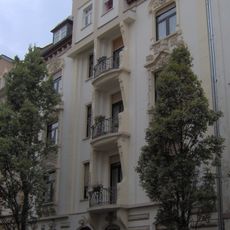
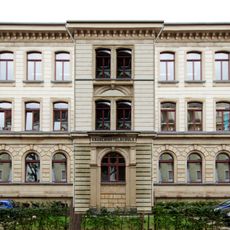
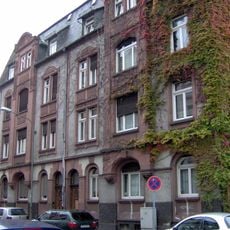
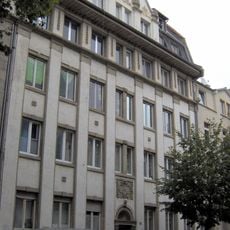
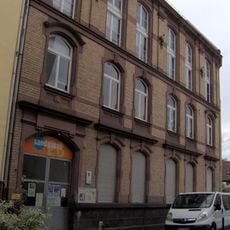
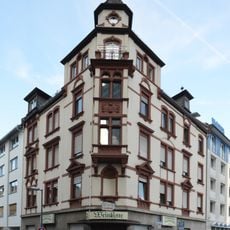
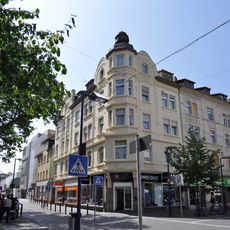
Wilhelmsplatz is a public square in Offenbach am Main characterized by traditional German urban design with an open central area surrounded by residential and commercial buildings. The space features defined boundaries created by the buildings that frame it.
The site was Offenbach's city cemetery until the last burial in 1832; the graves of Jakob Joseph Frank and Eva Frank drew Frankist pilgrims, marked by secret green signs. From 1868 it hosted a cattle market under the name Neumarkt, and in 1876 it was renamed after Kaiser Wilhelm I. The weekly market moved here from the Marktplatz in 1903, and on Good Friday 1919 the Karfreitagsputsch began with a rally of about 2,000 people. During the Nazi period it was called Platz der SA, and its old name was restored after 1945.
The square serves as a community meeting place where local markets and seasonal events bring residents together throughout the year. Its role as a social hub shapes daily life in the city center.
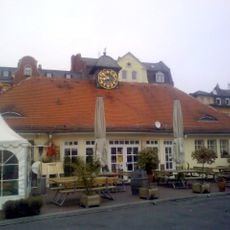
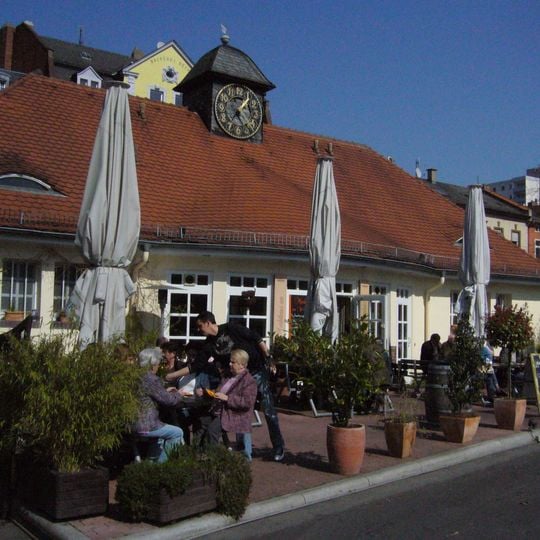
Two of the streets framing the square are pedestrian zones, and part of the square itself is reserved for car parking. The weekly market runs three days a week, and the Markthäuschen on the north side now serves as a cider tavern. The square was redesigned between 2009 and 2011, when some parking spaces were removed.
During the 2009–2011 redesign, workers about 1.20 metres below the square's surface found three vaulted burial chambers with floors of reddish stone, likely graves left behind when the old cemetery was levelled. The bones were moved to the Alter Friedhof.
The community of curious travelers
AroundUs brings together thousands of curated places, local tips, and hidden gems, enriched daily by 93,100 contributors worldwide.