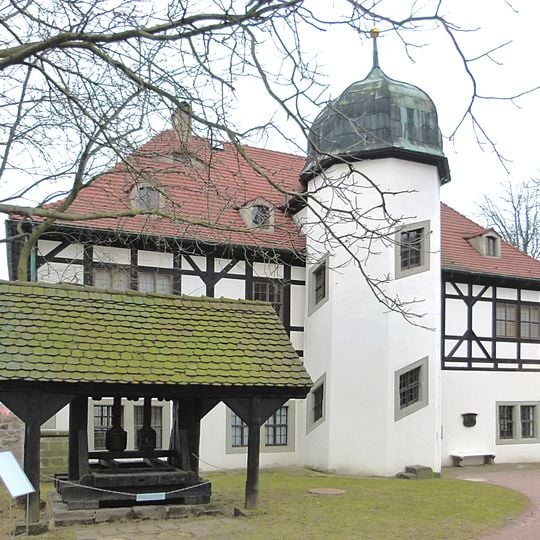
Berg- und Lusthaus Hoflößnitz, Baroque château in Radebeul, Germany
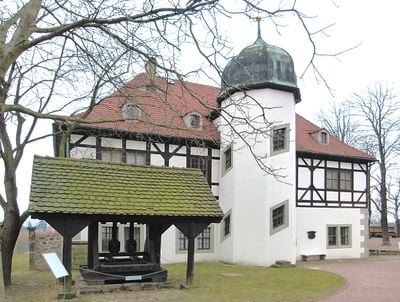
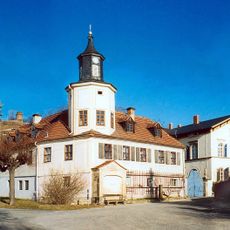
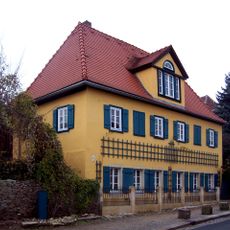
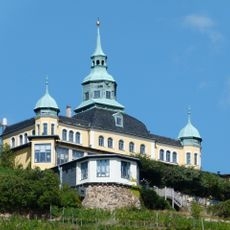
The Berg- und Lusthaus Hoflößnitz is a Baroque building in Radebeul, north of Dresden, with a solid ground floor, timber-framed upper levels, and a steep roof typical of Saxon architecture. It now houses the Saxon Wine Museum, a historic festival hall, and original living quarters from the 17th century.
The estate dates to 1401, when the Wettin dynasty established it as the center of their court wine production. The building changed over the following centuries but kept parts of its 17th-century interior that are now rarely found elsewhere.
The festival hall on the upper floor displays bird paintings made by Dutch artist Albert Eckhout during his time in Brazil. These works show how Saxon electors of the time thought about and represented the distant world beyond Europe.
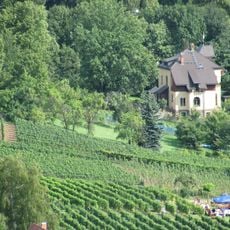
The wine museum on the ground floor is easy to navigate, with clear signs marking the main rooms and a straightforward path through the exhibits. A visit in spring or autumn pairs well with the surrounding vineyards, which are active during those seasons.
The building is one of the few places in Germany where 17th-century Saxon interior details have survived in their original location. Rooms like these were often altered or lost in comparable buildings elsewhere, making this site a rarity.
The community of curious travelers
AroundUs brings together thousands of curated places, local tips, and hidden gems, enriched daily by 91,896 contributors worldwide.