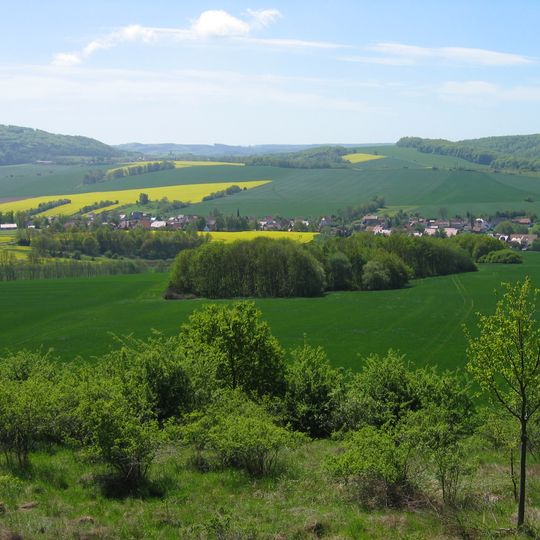
Eichsfeld, Historical principality in central Germany
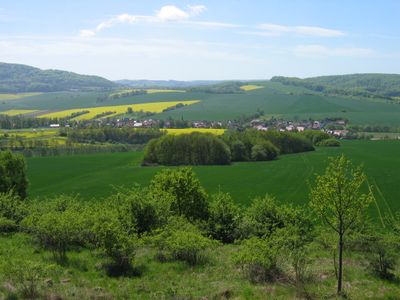
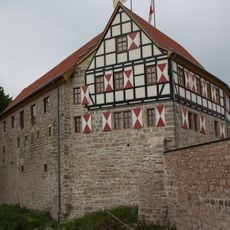
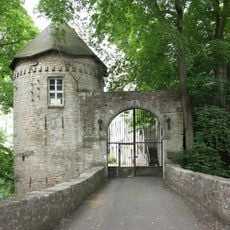
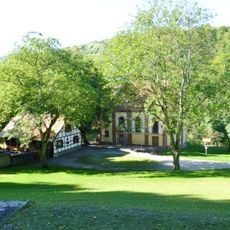
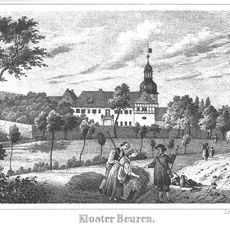
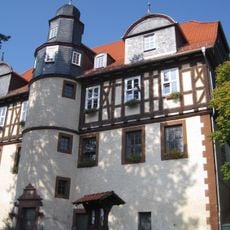
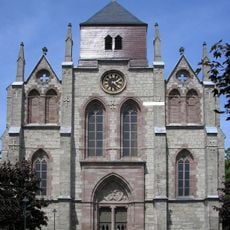
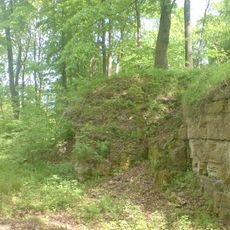
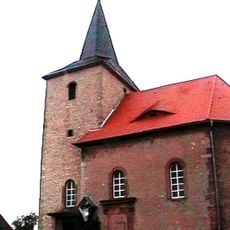
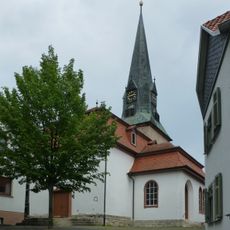
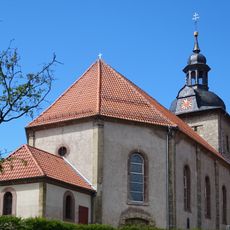
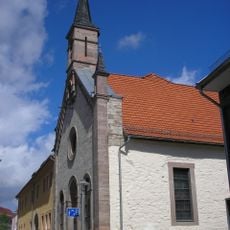
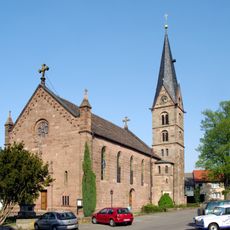
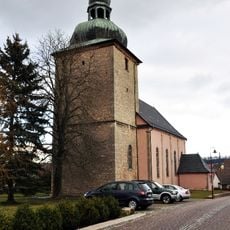
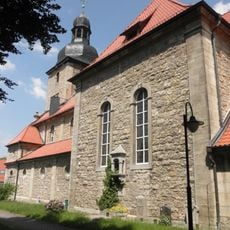
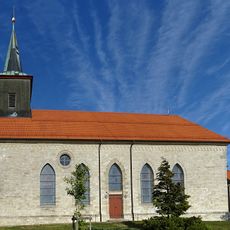
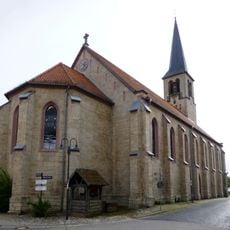
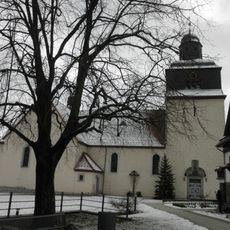
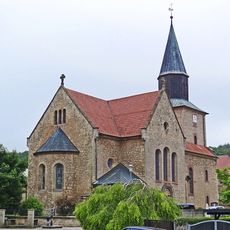
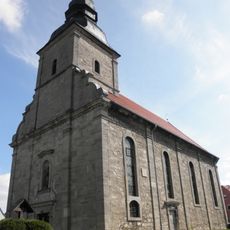
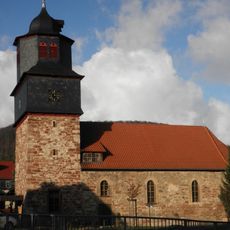
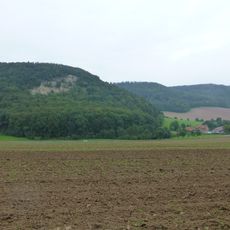
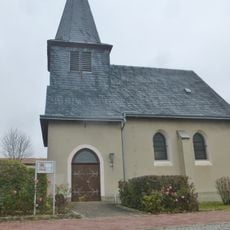
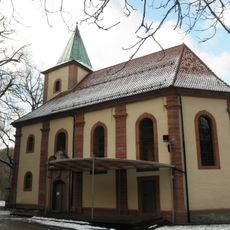
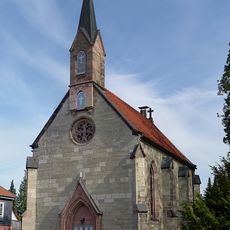
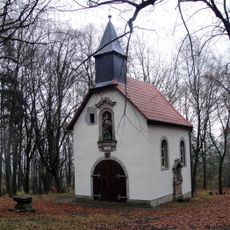
Eichsfeld is a historical region spanning southeastern Lower Saxony and northwestern Thuringia, located south of the Harz mountains. The landscape consists of rolling hills and forests dotted with small villages featuring churches and traditional timber-framed houses.
From the Middle Ages until 1803, the region was ruled by the Archbishopric of Mainz, which preserved its Catholic character despite surrounding Protestant territories. After 1803 it came under Prussian control and later was divided between East and West Germany.
The region has a strong Catholic tradition visible in numerous churches and local customs that shape daily life and celebrations. This religious heritage is woven into the identity of every community here.
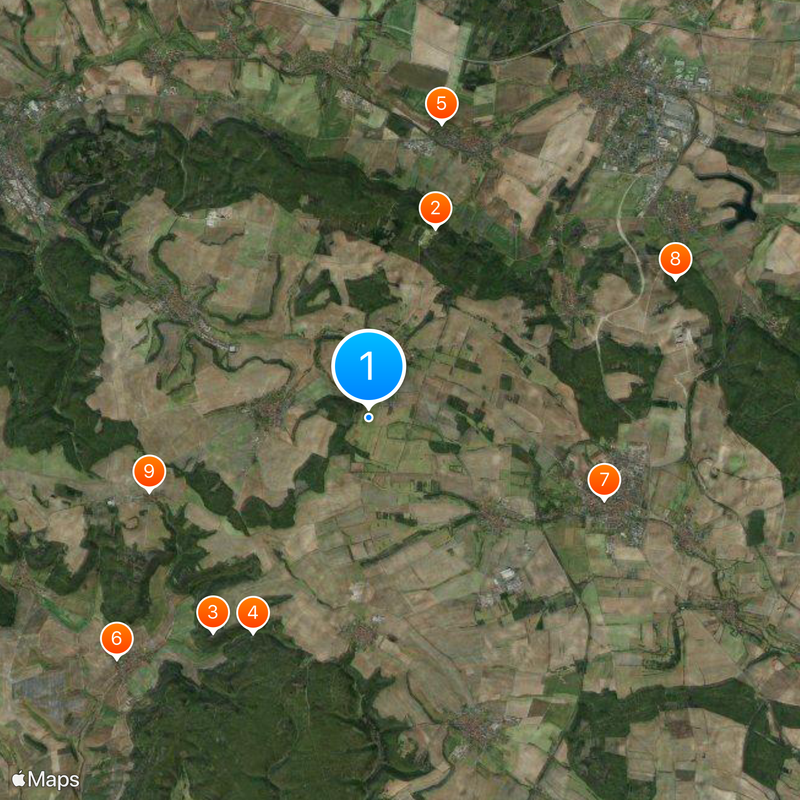
The region is best explored by car, as towns and villages are spread across the landscape. Larger towns like Heiligenstadt and Leinefelde-Worbis serve as good starting points for exploring the surrounding countryside.
The region sits near the geographical center of Germany and contains the headwaters of two major rivers, the Leine and the Unstrut. These two rivers flow in opposite directions, shaping the water systems of much of the country.
The community of curious travelers
AroundUs brings together thousands of curated places, local tips, and hidden gems, enriched daily by 91,963 contributors worldwide.