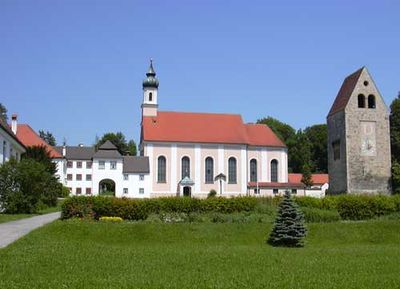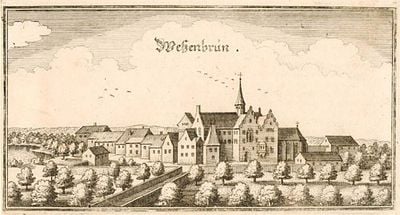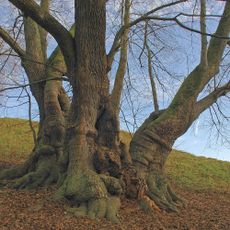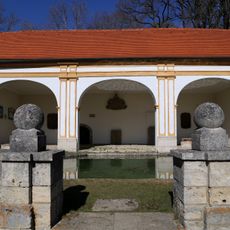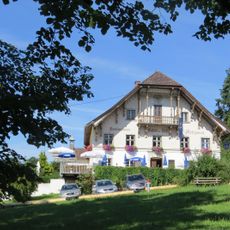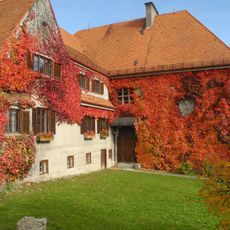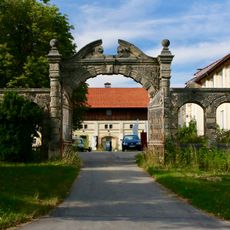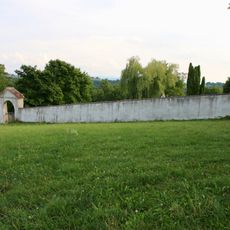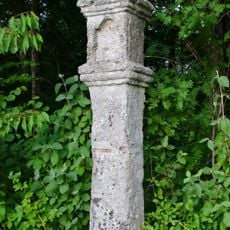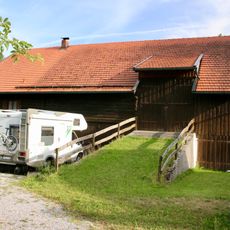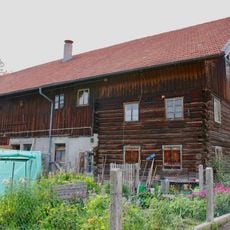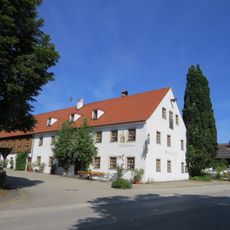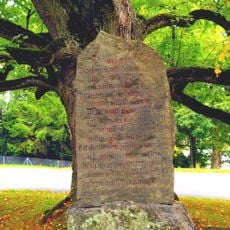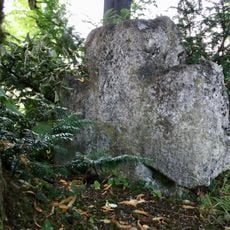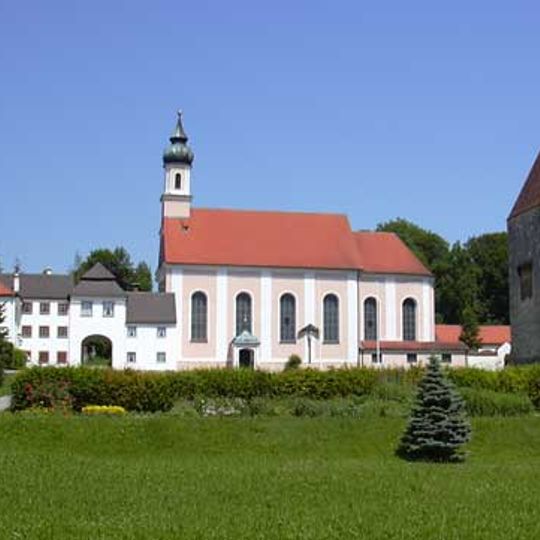
Wessobrunn Abbey, Benedictine monastery in Wessobrunn, Germany
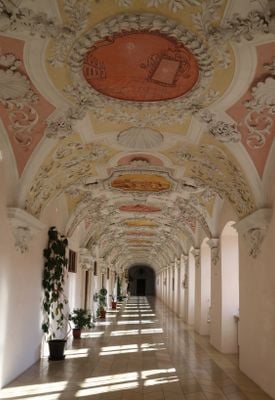
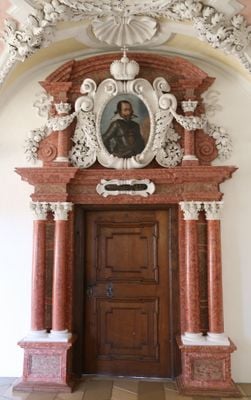
Wessobrunn Abbey is a Benedictine monastery in Upper Bavaria with buildings featuring ornamental stucco work, stone carvings, and decorated interior spaces. The complex includes areas arranged around three springs that existed at the site since its earliest days.
The monastery was established in 753 and granted the status of an imperial abbey in 788, answering directly to the Carolingian crown. This special rank helped it remain an important institution throughout the medieval period.
The monastery served as a center for Baroque art in the 18th century, where craftspeople created ornamental stucco and frescoes that influenced churches across Bavaria. The workshops trained skilled artisans who later worked on numerous regional religious buildings.
When visiting, be prepared for quiet pathways that wind through the monastery grounds, some with uneven surfaces. The sisters on site can often provide information and help visitors understand the different areas of the complex.
A nun named Diemud produced around 45 manuscripts around 1150, transforming the monastery into a center for manuscript writing. Her personal output provides rare insight into the importance of scribal work in medieval monastic life.
The community of curious travelers
AroundUs brings together thousands of curated places, local tips, and hidden gems, enriched daily by 90,865 contributors worldwide.