Langeneß, Tidal island in Nordfriesland, Germany
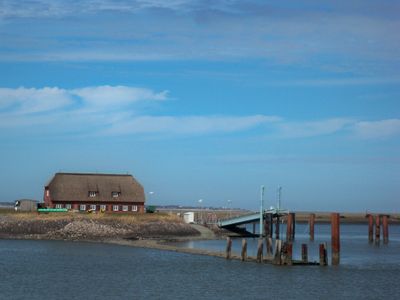
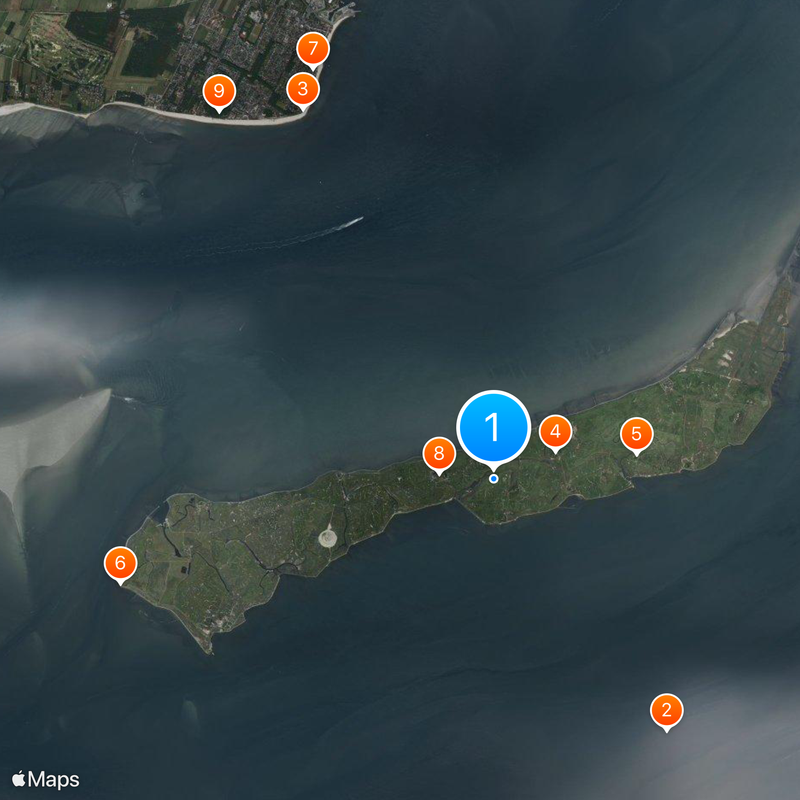
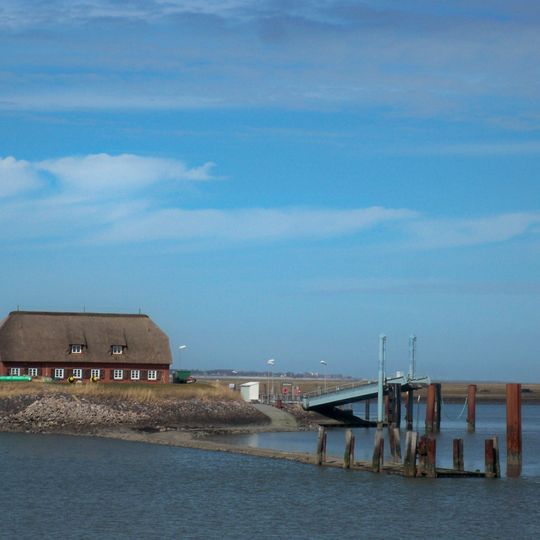
Langeneß is a tidal island in the North Sea off the Schleswig-Holstein coast, with 16 elevated dwelling mounds called Warften built to protect homes from flooding. The entire island sits just above sea level and experiences channels of water flowing across it during high tides.
The island was formed through natural coastal processes and became separated from neighboring Oland following a major storm in 1634. This event led to permanent changes in how both land masses were settled and used.
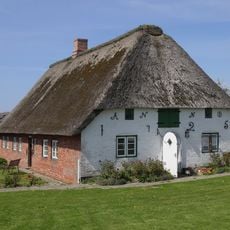
Residents here follow time-honored ways of life, using the salt meadows to graze cattle in a landscape shaped by regular tidal flooding.
A narrow-gauge railway connects the island to the mainland at Dagebüll via an intermediate station, with daily ferry services as an alternative. Visitors should prepare for changeable weather and plan their visits around the tidal cycle.
A local museum displays historic beds deliberately built short, based on an old belief that sleeping upright would ward off demons. This unusual practice reveals how residents once blended practical design with their spiritual beliefs.
The community of curious travelers
AroundUs brings together thousands of curated places, local tips, and hidden gems, enriched daily by 92,541 contributors worldwide.