Burg Trostberg, Medieval castle ruins in Trostberg, Germany
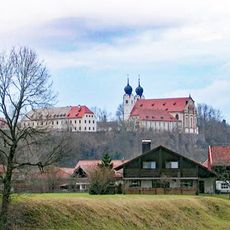
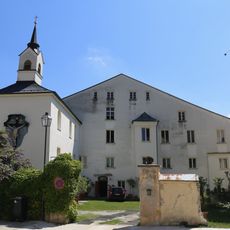
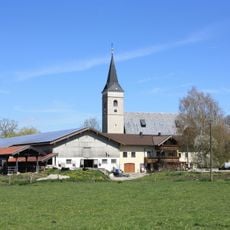
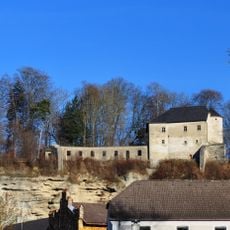
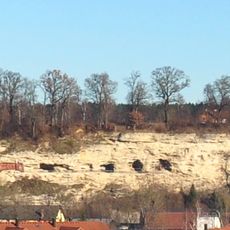
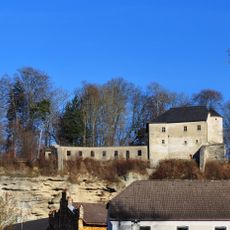
Burg Trostberg is a castle on a 520-meter-high mountain spur on the left bank of the Alz River with a round fortification tower and a baroque chapel. The remaining structures show the typical layout of a medieval fortress with its main defensive elements.
The castle, first recorded as "Trozzeberch", was built in the early 13th century by the Counts of Ortenburg-Kraiburg, who were advocates of Baumburg Abbey. From 1233 it served as a Wittelsbach administrative seat until 1803. After the Bavarian-Austrian border shifted east, it lost military importance after 1442 and was occupied by imperial troops in 1504 during the Landshut War of Succession. The northeast part was demolished in 1810, and the remaining buildings were renovated in 1976.
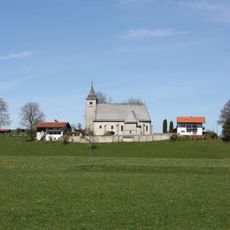
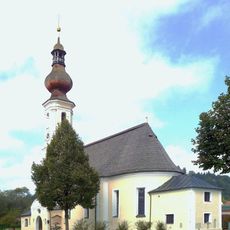
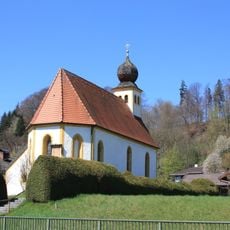
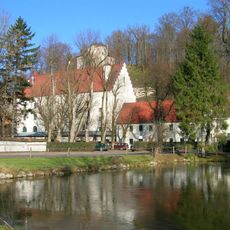
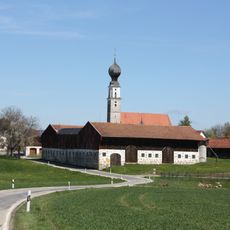
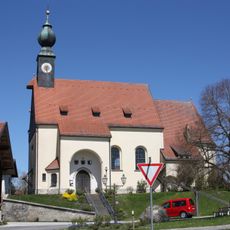
The Saint Michael chapel from the 17th century shows the mix of baroque and Gothic styles common in religious spaces within fortifications of this region. Visitors can see how architecture changed over time and how different building styles existed side by side.
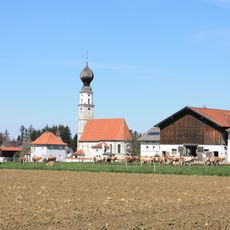
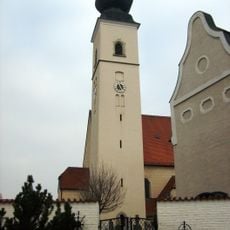
The castle ruin stands on a 520-metre-high spur on the left bank of the Alz, at Schlossberg 2. The round fortification tower of the outer bailey now forms part of the Schebenschlössl, and the baroque chapel of St. Michael (1624) lies in the zwinger area, reached through a gate arch in the defensive wall. The site is a listed monument and can be viewed from outside.
The founding of Trostberg town between 1230 and 1240 was directly tied to this castle's strategic location and shows how a fortress became the seed of an entire town. Without this fortification, the settlement would likely never have formed at this location.
The community of curious travelers
AroundUs brings together thousands of curated places, local tips, and hidden gems, enriched daily by 92,785 contributors worldwide.