Staden, Architectural heritage park in Saarbrücken, Germany
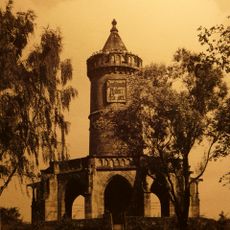
Staden is a park-like recreation area on the right bank of the Saar, laid out in 1908 between the Bismarck Bridge and the Römerbrücke power plant. It combines meadows, tree-lined avenues and playgrounds with historic elements by architect Heinrich Güth, including embankment walls, a balustrade, stairs and pavilions, all under heritage protection. A beer garden stands at the Ulanen pavilion, and an old arm of the Saar lies to the east.
The Staden was laid out in 1908 as a riverside recreation area on the right bank of the Saar. Its embankment wall, balustrade, stairs and pavilions by architect Heinrich Güth are protected as monuments. In 1957 the Ulanen monument of 1913, cast by Hermann Noack from a design by Fritz Klimsch, was moved here from the old town hall.
The name Staden comes from the old word Gestade, meaning riverbank or landing stage, now rarely used in everyday German. The Ulanen Pavilion is named after the Ulanen-Denkmal, a bronze equestrian statue by sculptor Fritz Klimsch cast in Berlin and moved here in 1957; its rider lost his spear and oak branch after the Second World War.
The park is easy to access and offers walking paths as well as cycling routes for different activities. Visitors can also find boat docking spots along the riverbank if they want to explore the Saar from the water.
A 450-meter graffiti wall beneath the A620 highway called '4560' serves as one of Germany's largest authorized spaces for spray painting. This art project attracts artists from across the region and gives the park a modern, creative edge.
The community of curious travelers
AroundUs brings together thousands of curated places, local tips, and hidden gems, enriched daily by 92,793 contributors worldwide.