Waldglashütte unter dem Hilsborn, archaeological site in Germany
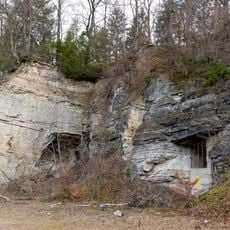
The Waldglashütte unter dem Hilsborn was a glass-making site from the early 1600s located in a forested valley near Grünenplan that produced green forest glass. The workshop contained several stone and clay furnaces, worker houses, and storage areas for glass production along the small stream.
The glass factory was founded around 1624 and began production by 1630, but was attacked during the Thirty Years War around 1635 or 1636. Work resumed afterward and the site continued operating until closing around 1667 or 1668.
The site took its name from the nearby Hilsborn stream, which provided essential water for glass production. Around 39 workers, including glassblowers and assistants, lived and worked here, with their names recorded in old church documents and tax records.
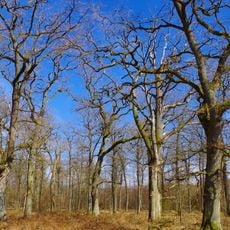
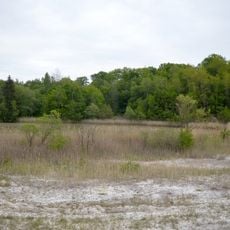
The site is located about one and a half kilometers southwest of Grünenplan town center in a wooded area next to the main road between Grünenplan and Eschershausen. As a protected archaeological monument, visitor access is limited but available during special events like the Day of Open Monuments.
Archaeologists uncovered a thick dark soil layer filled with charcoal showing the fire attack from about 400 years ago, along with musket balls and a small cannonball. Personal items like shoe soles and cloth fragments provide a rare glimpse into the daily life of glassmakers and their families.
The community of curious travelers
AroundUs brings together thousands of curated places, local tips, and hidden gems, enriched daily by 91,438 contributors worldwide.