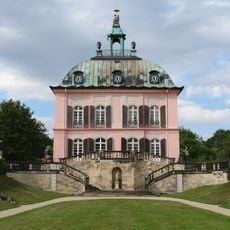
Marcolinihaus, Late Baroque former hunting lodge in Moritzburg, Germany
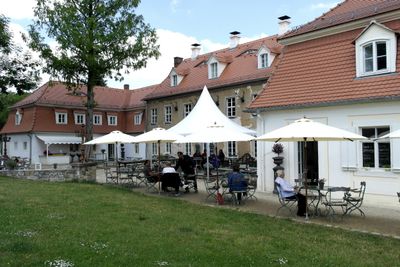
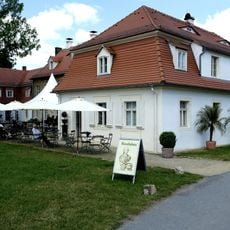
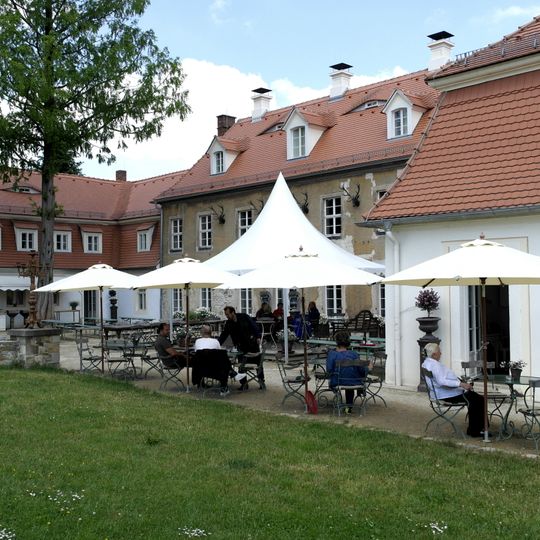
The Marcolinihaus is a two-storey building with a red tiled roof, cream-coloured walls, dormer windows and tall chimneys, located in the Fasanerie park in Moritzburg. It was built in 1771/72 in the plain Late Baroque style with simple pilaster strips and a mansard roof. The left wing has a lower roofline, while the right section has a steeper gabled roof. A terrace with white parasols and outdoor seating runs along the base.
The structure was built between 1771 and 1772 initially as housing for a pheasant keeper. About a decade later it underwent major reconstruction under Count Camillo Marcolini, transforming it into a residential dwelling.
The house is named after Count Camillo Marcolini, who had it converted from a pheasant keeper's lodge and lived here with his family after his marriage in May 1778. Since 2007 a Moritzburg restaurateur has gradually restored it, and a café opened in the east wing, where a fireplace was built using old bricks from the house's construction period.
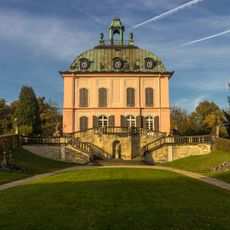
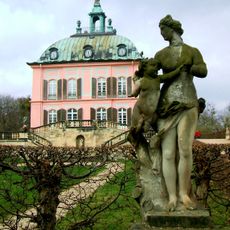
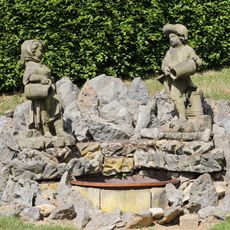
The house stands in the Fasanerie, a landscaped park laid out in 1728, and is reached on foot; the owner paid 42,000 euros in 2008 for 14 fixed parking spaces so that no car traffic enters the pheasant garden. A café has operated in the east wing since 2009, and the building has had a water connection and sewer line since that year.
The 2013 restoration uncovered original 18th-century wall paintings that had been hidden beneath later paint layers. This discovery reveals how artistic tastes and decoration preferences shifted over the generations.
The community of curious travelers
AroundUs brings together thousands of curated places, local tips, and hidden gems, enriched daily by 92,678 contributors worldwide.