Petershainer Hof, human settlement in Germany
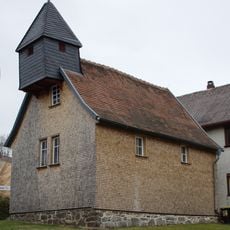
The Petershainer Hof is a cultural heritage monument in Ulrichstein comprising several structures with roots in the late medieval period. The main house displays simple classical architecture with stone walls, timber roof beams, and thick walls designed for durability and heat retention. A barn building and old brick oven stand nearby along the Seenbach stream.
The site was first recorded in 1293 when a medieval castle likely stood here as a defensive structure. The Landgraf of Hesse destroyed this fortress around that time along with more than a dozen other castles in the region during unrest. Approximately 130 years later, in 1493, a farm was established on this same land and became known as the Petershainer Hof.
The name Petershainer likely comes from an old family bearing the name Petrus or Peter, which was common in medieval times. The building's simple stone and timber construction shows how local people built homes that reflected their practical needs and available materials.
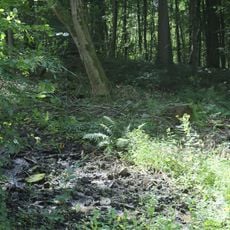
The property sits in Kölzenhain, a district of Ulrichstein, about 2 kilometers southwest of the main village at roughly 500 meters elevation. The setting is rural and quiet with fields and forests nearby, so sturdy footwear is advisable when exploring the area. Today the site functions as a youth camp operated by a German organization focused on forest and nature conservation, and visitors can view the old structures and walk through the surrounding landscape.
The site was originally a fortified castle mentioned in 1293 but was destroyed and left abandoned for over 130 years before a farm was built here in 1493. This shift from a military stronghold to a peaceful farmstead represents an unusual transformation showing how land use changed dramatically once the need for defense passed.
The community of curious travelers
AroundUs brings together thousands of curated places, local tips, and hidden gems, enriched daily by 92,633 contributors worldwide.