Mausoleum von Carstanjen, Neoclassical mausoleum in Bad Godesberg, Germany
Mausoleum von Carstanjen is a sandstone building in Bad Godesberg, built in a circular form with a columned entrance and raised base. It now functions as a columbarium, open to those wishing to store urns within its walls.
Adolf von Carstanjen had this family tomb built in the late 19th century after receiving a noble title from Kaiser Wilhelm I. The family had made its fortune in industry and used the structure to mark its new social standing.
The mausoleum reflects how wealthy industrialists of the 19th century used burial sites to express their social standing and prosperity. The structure embodies the era's appreciation for classical architecture as a symbol of permanence and prestige.
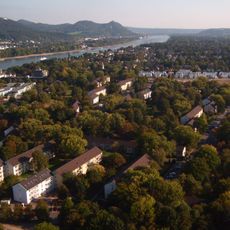
The grounds lie between Auerhofstraße and Von-Sandt-Ufer in the Plittersdorf meadow, with a two-part stone stairway leading up from the Rhine side and a curved path from Auerhofstraße past St. Evergislus Church. The park is open during the opening hours of the neighbouring church, but the mausoleum itself opens only for burials and memorial services.
In 1997, while the mausoleum stood unsanitised and vandalised, Christoph Klimke's play "Die Blutsbrüder" is said to have had its premiere inside the rotunda. The building was later restored and reopened in June 2006 with a concert by the Beethoven Orchestra Bonn under Roman Kofman, playing Beethoven's Eroica and Handel's Fireworks Music.
The community of curious travelers
AroundUs brings together thousands of curated places, local tips, and hidden gems, enriched daily by 93,140 contributors worldwide.