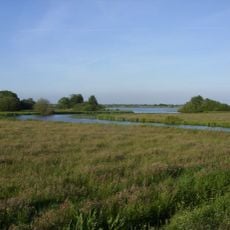
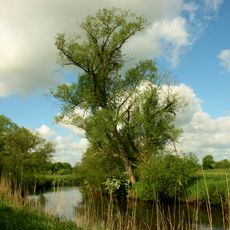
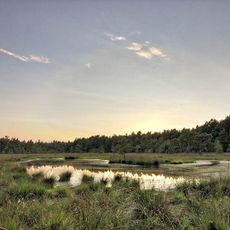
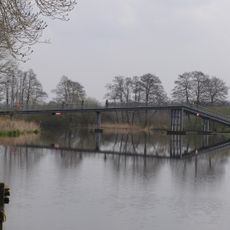
Teufelsmoor, Nature reserve in Osterholz-Scharmbeck, Germany.
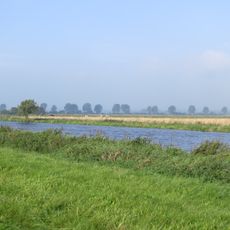
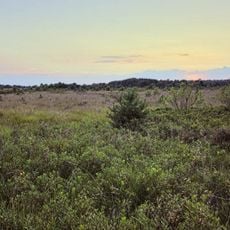
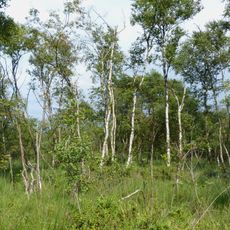
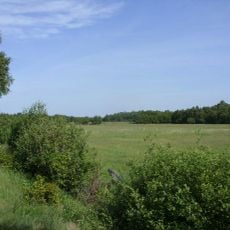
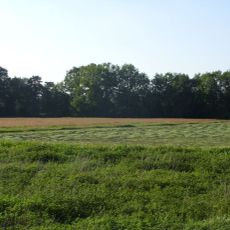
The Teufelsmoor nature reserve, designated NSG LÜ 313, covers 1,927 hectares northeast of Osterholz-Scharmbeck across four sub-areas including the Günnemoor and Hamberger Moor. Large parts of the former raised bogs were cut for peat to varying depths but mostly not cultivated, so bog woodland, swamps and wet grassland have developed. The Günnemoor was rewetted on a large scale from the 1990s, and drainage ditches were closed so old hand-cut peat pits filled with water.
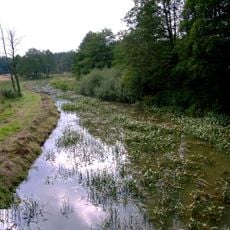
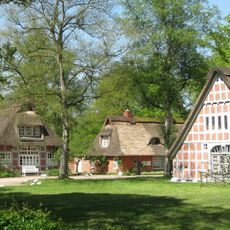
Around 1750, under Moorkommissar J.-Chr. Findorf, poor settlers were allowed to dig peat here as independent turf cutters, exempt from military service, and drainage canals were laid out with roads and workers' houses along them, creating linear fen colonies. Coal from about 1880 replaced peat as fuel, and industrial cutting ended in late 2012 when no further permits were granted in the Günnemoor. The reserve has been protected since 20 April 2017, absorbing the neighbouring Moor bei Niedersandhausen and Torfkanal und Randmoore reserves on 3 October 2019.
The name Teufelsmoor means "devil's bog" in German. From around 1750, under Moorkommissar J.-Chr. Findorf, poor settlers dug drainage canals and built turf cutters' cottages along them, creating long linear fen colonies; the men were exempt from military service. A Low German saying, "Den Eersten sien Dood, den Tweeten sien Noot, den Drüdden sien Broot", recalls how hard life was in the 19th century.
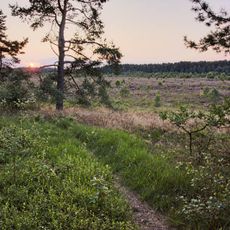
The reserve consists of four separate parts northeast of Osterholz-Scharmbeck, and paths run through some of them. A path between the former peat-cutting area in the Günnemoor and the neighbouring Torfkanal reserve is walkable only from mid-June to the end of September; information boards along it explain the moor and its cultivation.
The Günnemoor section was rewetted on a large scale from the 1990s, and industrial peat cutting there ended in late 2012 after no further permits were granted. Drainage ditches were closed so that old hand-cut peat pits filled with water. A path between the former cutting area and the neighbouring Torfkanal reserve is walkable only from mid-June to the end of September, with information boards along it.
The community of curious travelers
AroundUs brings together thousands of curated places, local tips, and hidden gems, enriched daily by 92,681 contributors worldwide.