Archaeological excavation of the Republik Freies Wendland, Archaeological excavation in Gorleben, Germany.
The archaeological excavation of the Republik Freies Wendland sits in a forested area where researchers found remains of wooden structures and everyday objects. The site displays physical evidence of a temporary settlement with its different types of buildings and facilities.
On 3 May 1980 around 5,000 opponents of nuclear power occupied the planned deep-drilling site 1004 near Gorleben and proclaimed the Republik Freies Wendland. They built some 120 huts of wood and clay, including an octagonal Freundschaftshaus about 30 metres across. On 4 June 1980 police cleared the camp with about 3,500 officers and bulldozed the huts; drilling to two kilometres followed.
The excavated items come from the Free Republic of Wendland protest movement and show how residents lived through cooking pots, beverage cans, and personal belongings. These objects reveal how people shared daily life while opposing government plans together.
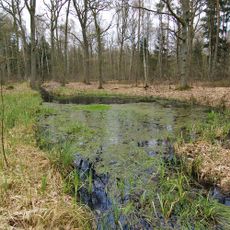
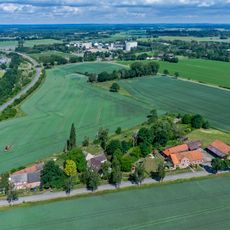
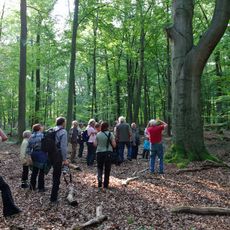
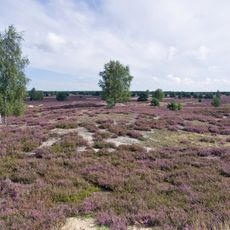
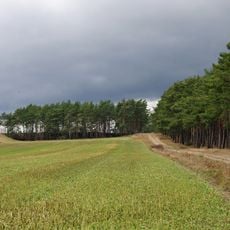
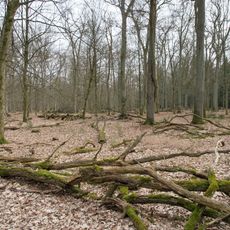
The site lies on a clearing in the Trebeler Forst, between Trebel and the later Gorleben nuclear facilities, reached via forest tracks. About 95% is now covered by roughly 30-year-old deciduous and coniferous pole wood; only the asphalted area of deep borehole 1004, around 5% of the former camp, stays open and freely accessible. Two fire-fighting water wells used by the local fire brigade stand on that asphalt.
The excavation site revealed a large octagonal building that could hold many people and had several specialized functions. This structure shows how thoughtfully the settlement was planned despite its temporary nature.
The community of curious travelers
AroundUs brings together thousands of curated places, local tips, and hidden gems, enriched daily by 92,772 contributors worldwide.