Castle Plaue, Baroque castle in Plaue, Brandenburg an der Havel, Germany
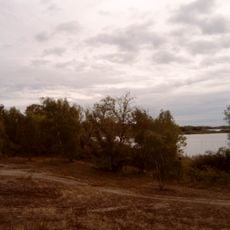
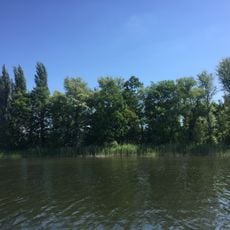
Castle Plaue sits on the western bank of the Havel River where it exits Lake Plaue, displaying baroque architecture and a landscaped garden. The park extends south along the shoreline and connects different water features throughout the property.
The site was a strategic point between Brandenburg and Magdeburg from the 12th to 15th centuries, controlling river crossings. This position made it crucial for territorial control in the region during that period.
The name Plaue first appears in 1197 as that of a family named after the castle; members such as Heinrich de Plawe served the Bishop of Brandenburg. The village itself is recorded in 1216 as the main border place between the dioceses of Brandenburg and Magdeburg.
The castle stands on the west bank of the Havel right where the river leaves Lake Plaue, with the landscaped park stretching south along the lake shore to the Wendsee. The site lies in the Plaue district of Brandenburg an der Havel, on the old trade route now followed by Bundesstraße 1. The bridge over the Havel, replacing the former ferry, was completed in 1463.
The castle stands on the site of a Slavic rampart; pottery shards from the 9th to 12th centuries were found during earthworks. The grounds lie about two metres above the surrounding land, directly on the Havel bank, a position typical of Slavic fortifications such as those at Parey and Pilatsch.
The community of curious travelers
AroundUs brings together thousands of curated places, local tips, and hidden gems, enriched daily by 93,024 contributors worldwide.