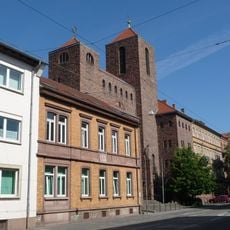
Erkenbert-Museum, museum in Germany
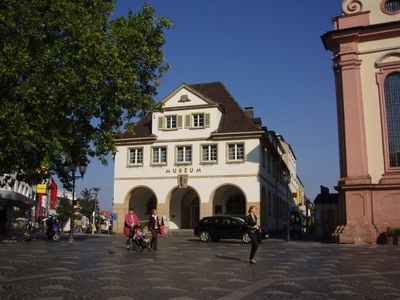
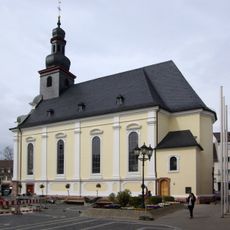
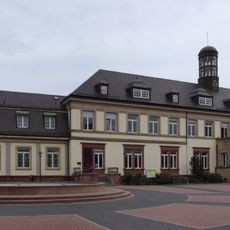
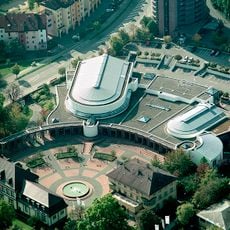
The Erkenbert-Museum is a history museum located in Frankenthal in the Palatinate region and housed within the town hall across three floors. The collection contains between 10,000 and 15,000 objects, including pottery, bronze items, weapons, jewelry, prints, and porcelain from different periods of the city's past.
The museum takes its name from Erkenbert, born around 1079, who founded an Augustinian monastery in Frankenthal in 1119. The city evolved from this religious foundation through the 18th century when Elector Carl Theodor developed it into a center for textile, silk, and porcelain production.
The collection reflects how religious refugees arrived in the 1500s and brought their crafts and artistic skills to the town. This connection shaped Frankenthal as a place of refuge and cultural exchange that visitors can still trace through the displayed objects.
The museum occupies three floors of the town hall, allowing you to move through the exhibits at a relaxed pace. The main exhibition is currently undergoing renovation, but visitors can see the 'Frankenthal. A Time Journey' exhibition upstairs in the town hall and a new display about bell-casting.
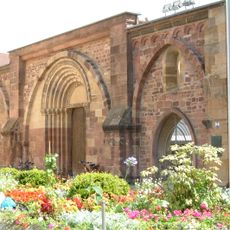
The museum is named after Erkenbert, whose original monastery survives today as a ruin called Erkenbert-Ruine elsewhere in the city. This direct link between the institution and the physical remains of its founder makes the museum part of a larger historical landscape that visitors can explore across the town.
The community of curious travelers
AroundUs brings together thousands of curated places, local tips, and hidden gems, enriched daily by 91,294 contributors worldwide.