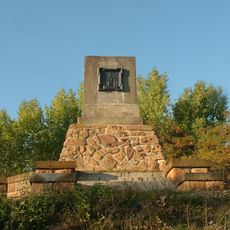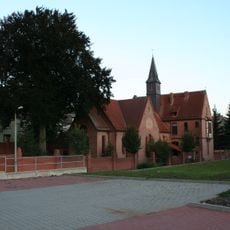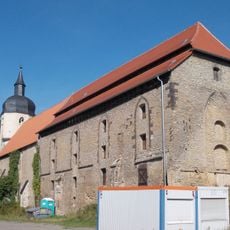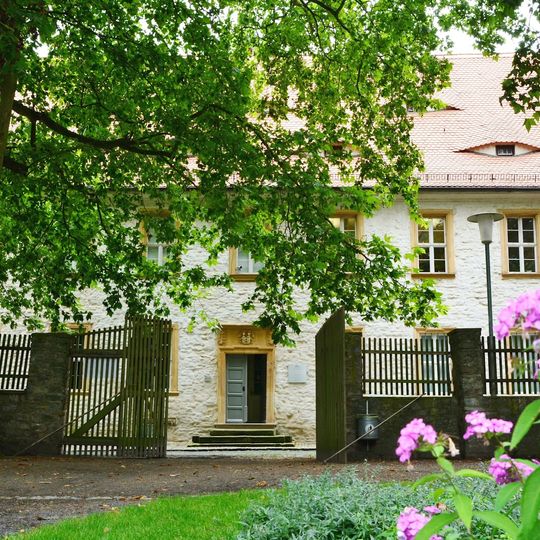
Massengrab von Wiederstedt, Neolithic mass burial site in Wiederstedt, Germany
The Wiederstedt mass grave is a pit 1.5 metres across and 1.6 metres deep, cut into loess soil beneath a later cemetery. It held ten skeletons — two adults and eight children — lying over and beside each other without order, in prone, supine and side positions. A 30-centimetre layer of settlement debris with potsherds and animal bones lay beneath them.
The grave was discovered in 1998 during construction work for a fire station and dates back to the Linear Pottery culture period approximately 7,000 years ago. It provides insight into early Neolithic burial practices and settlement patterns of this prehistoric society.
The burial method shows differences from standard Linear Pottery culture practices, as bodies were placed without particular arrangement or grave goods. This type of burial suggests special circumstances that set it apart from ordinary burials.
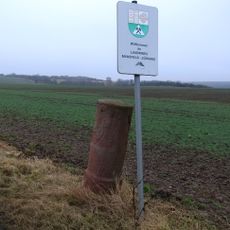
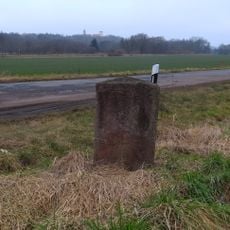
The grave was found in January 1998 during excavation of a foundation pit for the extension of the Wiederstedt volunteer fire brigade's equipment house, 1.6 metres below later burials. The pit measured 2.4 by 1.2 metres and was dug down to the grave's base; the round grave itself is 1.5 metres across. Nothing of the find is visible at the spot today.
Unlike other mass graves from the same period, the skeletal remains show no signs of violence or combat injuries. This suggests the individuals likely died from disease or other natural causes rather than conflict.
The community of curious travelers
AroundUs brings together thousands of curated places, local tips, and hidden gems, enriched daily by 93,167 contributors worldwide.