Fort Rüstersiel, Fort in Rüstersiel, Wilhelmshaven, Germany
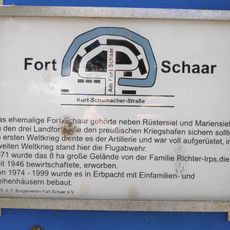
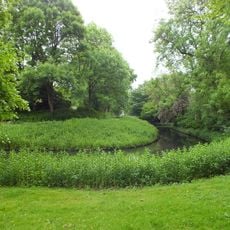
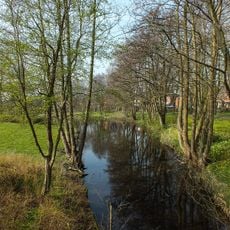
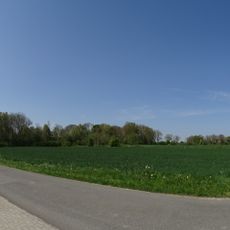
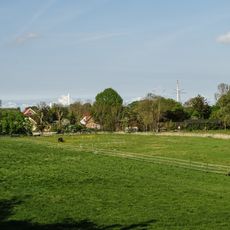
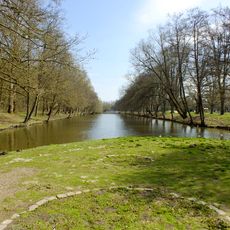
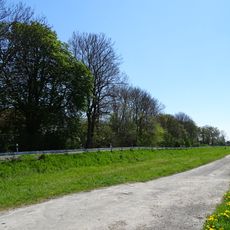
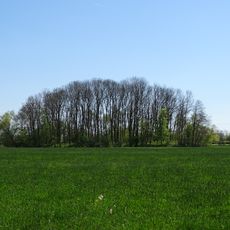
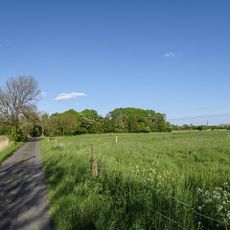
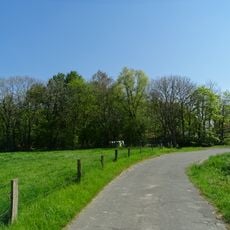
Fort Rüstersiel is a fortification of the Wilhelmshaven fortress plan, built to protect the Prussian naval harbour. It measures 420 metres from southwest to northeast and 265 metres across, with an earthen rampart up to 6 metres high and a moat up to 70 metres wide. Brick casemates and bunkers survive on the north-northwest long side.
Construction began in 1876 and finished in 1880, and the fort served as a key defense structure for the German Navy. After World War One, treaty restrictions prevented modernization, and it later became an ammunition storage facility.
Since 1966 the fort grounds have housed the Institut für Vogelforschung "Vogelwarte Helgoland", which moved here from Heligoland. The site is a landscape protection area since 1968. The moat and ramparts now serve bird research rather than defence.
The site lies in the Rüstersiel district near the Maade, and since 1966 it has been largely rebuilt as the seat of the Institut für Vogelforschung "Vogelwarte Helgoland"; the grounds have been under Landschaftsschutz since 1968. Access is therefore tied to an active research station, so visitors should keep to paths and avoid disturbing the work. The terrain is uneven and the coastal weather changeable.
The fort's brick casemates were blown up by British troops in 1948, so the standing walls and moat are what remain of the original structure. The site has housed the Institut für Vogelforschung "Vogelwarte Helgoland" since 1966 and has been under landscape protection since 1968.
The community of curious travelers
AroundUs brings together thousands of curated places, local tips, and hidden gems, enriched daily by 93,867 contributors worldwide.