Eiswerderbrücke, Road bridge in Spandau, Germany
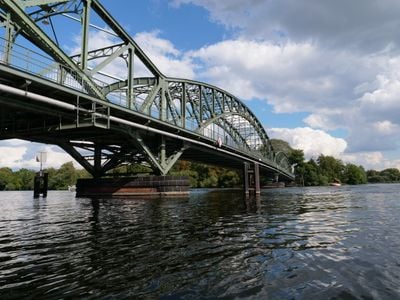
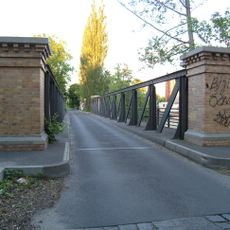
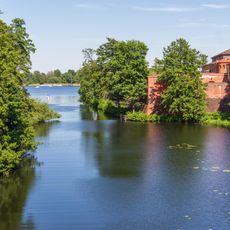
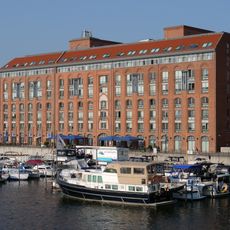
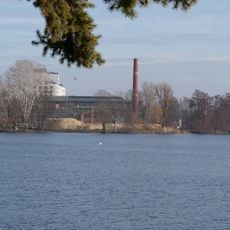
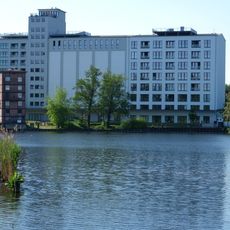
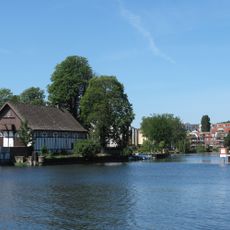
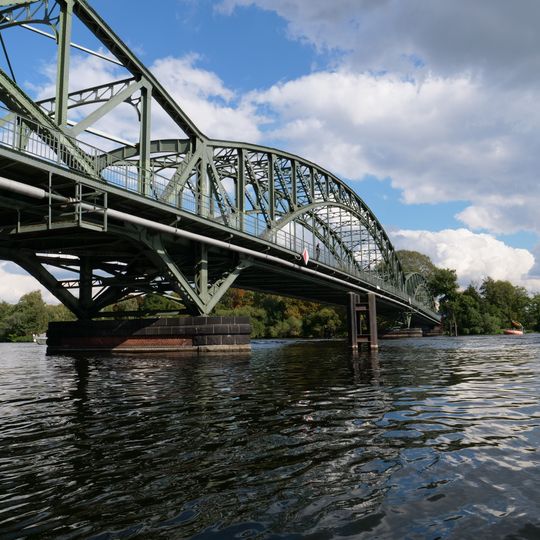
The Eiswerderbrücke connects the mainland to Eiswerder Island by crossing the Spandauer See section of the Havel River. On both sides of this crossing, residential areas, office buildings, and green spaces line the riverbanks and define the local landscape.
The bridge was commissioned in 1900, designed by the J. C. Harkort bridge works in Duisburg, and built from August 1901 under garrison building inspector Richter and government master builder Neubert. It was completed on 15 May 1903, giving year-round access to Eiswerder from the west even when the Havel froze. German troops blew it up in 1945; it was rebuilt in 1958.
The bridge's completion in 1903 gave armament workers a winter-proof route to Eiswerder Island, replacing the small ferry they had used from the west bank. The structure is named after the island it serves, and its steel truss arch design came from the J. C. Harkort bridge works in Duisburg.
The structure accommodates both pedestrians and vehicles, providing access to the island and its residential and office areas. Visitors exploring the area should note that the riverbanks on either side offer contrasting landscapes, from green spaces to built-up zones.
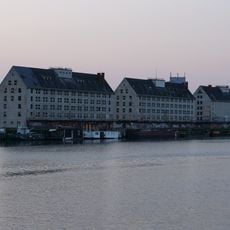
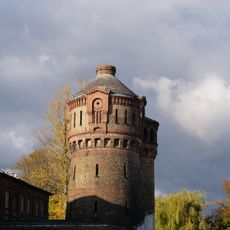
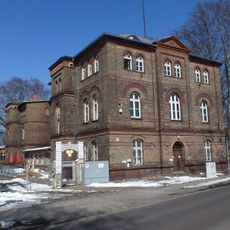
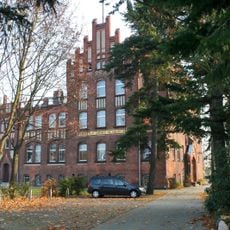
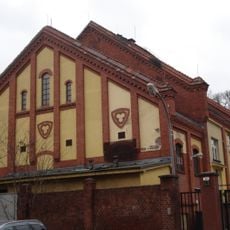
From the bridge, visitors can spot industrial heritage buildings such as former factories along the riverbanks that now stand beside modern structures. This mixture of industrial architecture and newer development reveals how the area has transformed over more than a century.
The community of curious travelers
AroundUs brings together thousands of curated places, local tips, and hidden gems, enriched daily by 93,641 contributors worldwide.