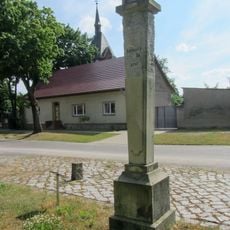
Burg Bärwalde, Medieval castle ruins in Niederer Fläming, Germany.
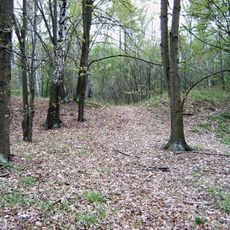
Burg Bärwalde is a castle ruin in Niederer Fläming with a surviving square residential tower built from bog iron stones and two brick cellar chambers. A water-filled moat and portions of the former defensive structure remain visible.
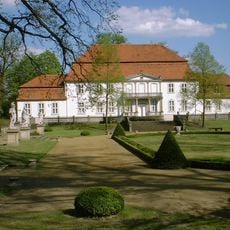
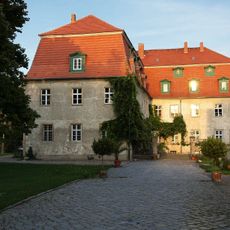
A Slavic rampart stood here in the 10th–11th century; its earthworks were reshaped in the 13th century into a Gothic water castle, first recorded as a Feste in 1375. It is unclear whether Saxon or Brandenburg rulers founded it, or possibly Magdeburg bishop Wichmann von Seeburg. Around 1470 it passed to the von Leipzig family, and in 1780 Joachim Erdmann von Arnim bought Bärwalde for 98,000 Taler and had the castle rebuilt as a manor house.
The castle gave its name to the Bärwalder Ländchen, a small territory that passed to the Electorate of Brandenburg with the Peace of Guben in 1462 and remained a Brandenburg exclave within the Archbishopric of Magdeburg until 1680. The village street still runs through a double row of chestnut trees up to the hill with the ruins.
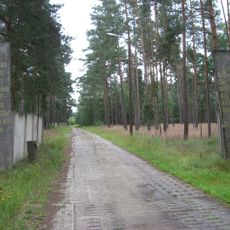
The ruins sit about 500 meters south of Bärwalde village center and are easy to reach on foot. The site is open and accessible, though sturdy shoes are useful for navigating the uneven ground.
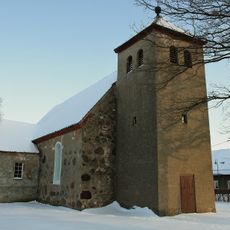
The medieval tower that still stands was only revealed when the manor house was demolished after 1945: it is built of bog iron stone, a material the new farmers found hard to reuse, so the tower was left standing. The site was secured and opened to visitors from 1996, and the tower received a freely reconstructed roof in 1998.
The community of curious travelers
AroundUs brings together thousands of curated places, local tips, and hidden gems, enriched daily by 94,473 contributors worldwide.