Königspfalz Helfta, Medieval royal palace ruins in Lutherstadt Eisleben, Germany
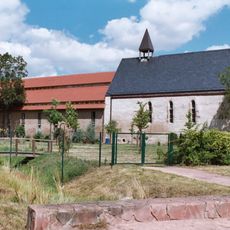
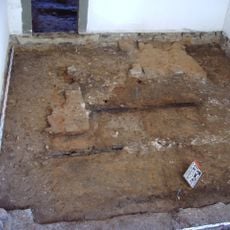
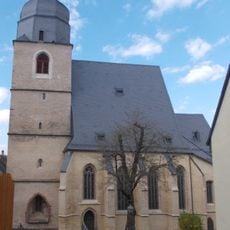
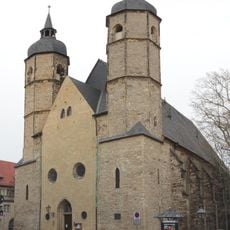
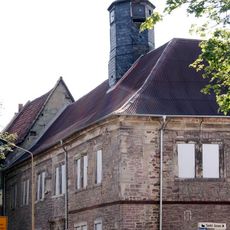
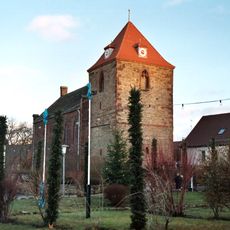
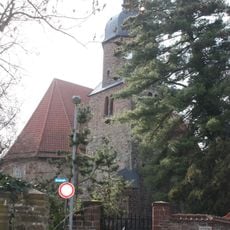
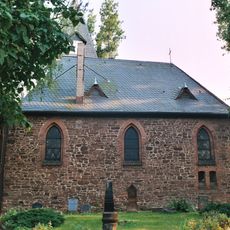
Königspfalz Helfta is an archaeological site containing remains of churches, palaces, and fortified settlements distributed across two hills named Kleine Klaus and Große Klaus. The excavations have revealed how buildings were arranged on these elevated positions, offering insight into the physical layout of this medieval complex.
The site developed as a strategic administrative center, with visits from Emperor Otto I and Otto II in the 10th century confirming its importance as a royal residence. Its role shifted over time, but it remained a key location for power and control in the region throughout the medieval period.
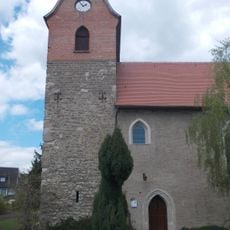
The Radegundis Church functioned as a burial ground where regional nobility sought to be laid to rest, reflecting the site's spiritual importance. Visitors walking through can sense how this place held deep meaning for powerful families seeking connection to something sacred.
The archaeological park is scheduled to open by 2028, featuring a visitor center, observation tower, and interactive 3D models for exploring the site. Plan to spend time walking between the two hills to understand how the medieval structures were positioned and to use the elevated vantage points.
Among the ruins, archaeologists uncovered a gilded bronze Christ figure from Limoges, likely part of an altar cross, revealing the artistic refinement of the place. This discovery demonstrates how this medieval site maintained connections to distant artistic centers and valued fine craftsmanship.
The community of curious travelers
AroundUs brings together thousands of curated places, local tips, and hidden gems, enriched daily by 90,823 contributors worldwide.