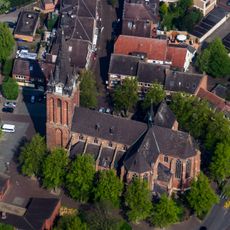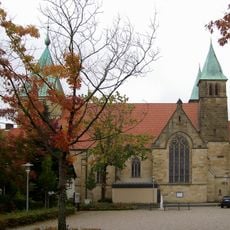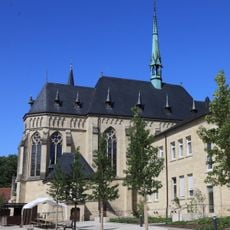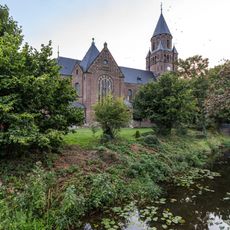
Haus Groß-Schonebeck, Medieval castle in Nottuln, Germany
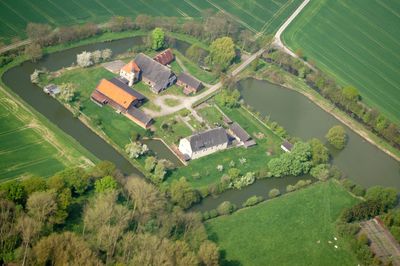
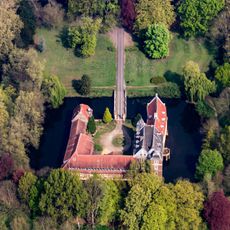
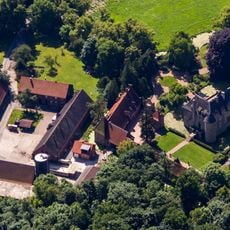
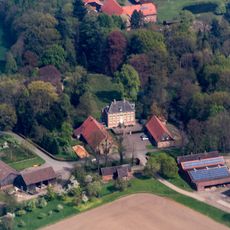
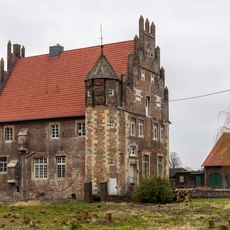
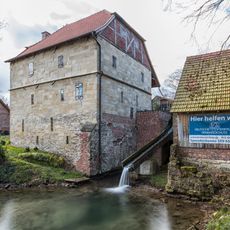
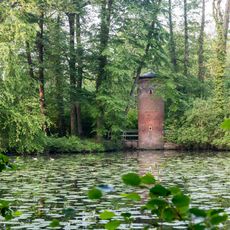
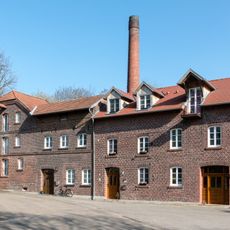
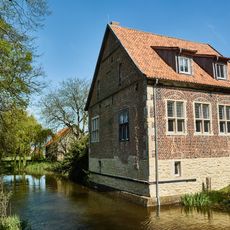
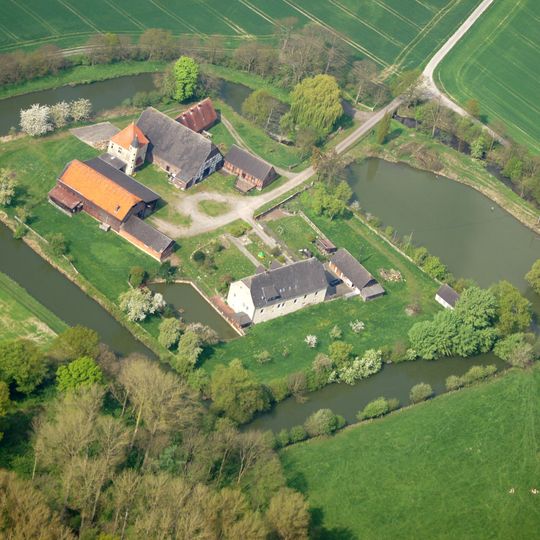
Haus Groß-Schonebeck is a castle in Nottuln featuring a rectangular main structure with a stair tower and surrounded by wide moats that once served as defensive barriers. The design reflects the building traditions of Westphalia, a region known for its fortified structures.
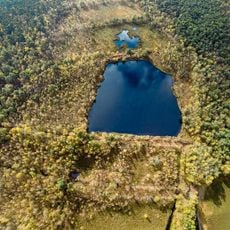
A Carolingian ringwork here dates to the 8th century, with a motte raised in its centre in the 11th century. The castle is first documented in 1270, when Hermann and Dietrich von Schonebeck promised Bishop Gerhard von der Mark not to rebuild the 'castellum in Wedelinc' he had destroyed, then did so anyway. In 1398 house and castle were sold to the Bishop of Münster, the cathedral dean and chapter, who installed an Amtmann; after 1400 the chapter's office building arose as a rectangular castle.
The name Schonebeck comes from the ministerialis family first documented in 1270, when Hermann and Dietrich von Schonebeck pledged not to rebuild the castle Bishop Gerhard von der Mark had destroyed. In 1388 the brothers granted creditors from Münster Cathedral chapter and city council the right to open the castle in wartime; a cathedral chapter official (Amtmann) then resided here until secularisation, after which the estate passed to the von Hamm family in 1813.
The property remains privately owned and can be viewed from the surrounding hiking and cycling paths in the area. Visitors should explore from these public paths rather than entering the private grounds.
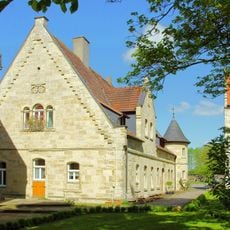
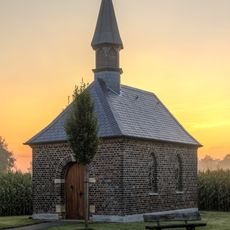
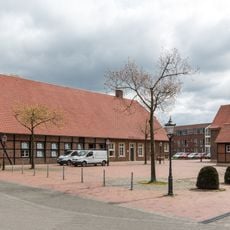
The court building on the former outer bailey, with its stair tower, was built around 1584; two associated farm buildings from the 16th–17th centuries disappeared after 1826. The castle chapel was rebuilt in 1528 and demolished in 1791. The site passed to the von Hamm family in 1813, to the Duke of Croÿ in 1832 and to the Lohoff family in 1977.
The community of curious travelers
AroundUs brings together thousands of curated places, local tips, and hidden gems, enriched daily by 93,723 contributors worldwide.