House of Olynthos, Archaeological site in Polygyros Municipality, Greece
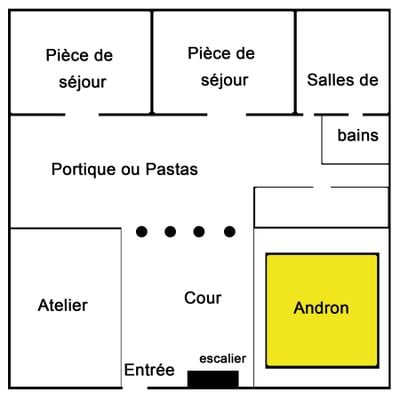
The house of Olynthos is an archaeological site in Polygyros, Greece, where low walls of grey, white, beige and tan stone outline rectangular rooms and corridors on level ground. A floor plan shows a central court with a portico, or pastas, an andron, an atelier, bathrooms and living rooms.
Olynthos was destroyed by the Persians in the 5th century BC, then rebuilt shortly after as a planned 'new city' on a regular Hippodamian grid. Philip II of Macedonia took and destroyed it in 349 BC. Excavations since 1928 have uncovered whole blocks of houses, making it a key reference for Greek domestic architecture.
The excavated houses display carefully crafted floors made from colored pebbles, showing the skill and decorative taste of ancient Greek residents. These details reveal how much people cared about their homes and valued beauty in their daily surroundings.
Visitors can explore the site when properly prepared for outdoor conditions and the exposed nature of the ground. It helps to gather information about the layout at the entrance to better understand the excavated structures as you walk through.
The andron, the men's dining room, was the one room where a householder could display wealth: about seven couches for reclining guests at the symposium. It is the yellow square on the published plan, entered from the courtyard past the four columns of the pastas.
The community of curious travelers
AroundUs brings together thousands of curated places, local tips, and hidden gems, enriched daily by 94,571 contributors worldwide.