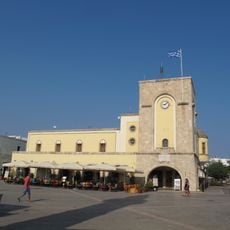
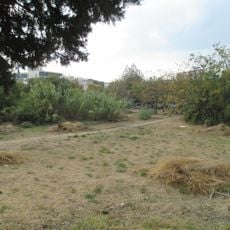
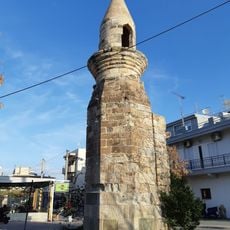
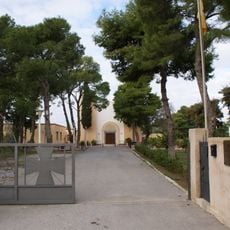
Nisyros, Stratovolcano in Dodecanese archipelago, Greece.
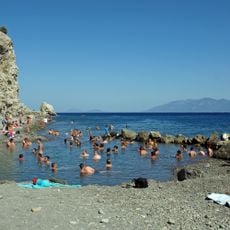
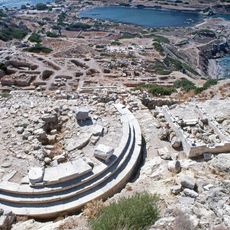
Nisyros is a 698-metre stratovolcano on the Greek island of the same name in the Aegean Sea. Its caldera, 3–4 km across and formed between 44,000 and 24,000 years ago, lies only 100 metres above sea level. Inside its western part rise five lava domes, with six more on the outer south-western side; fumaroles and hot springs remain active.
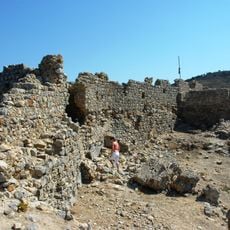
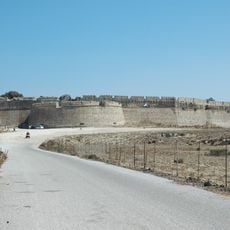
The island was fortified by the Knights Hospitaller in the 14th century when they built a defensive castle before Ottoman forces conquered it in the 1500s. This change in rule brought different cultural influences that left marks on the island's architecture and way of life.
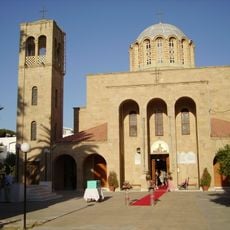
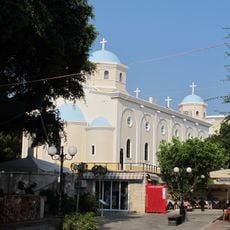
The Orthodox Christian community expresses their faith through churches and monasteries spread across the villages. Religious traditions shape local celebrations and are visible in how people structure their daily lives and gather together.
You can reach the island by regular ferries from nearby islands like Kos and Rhodes, making the journey straightforward. Well-marked hiking trails lead to the craters and through the caldera interior, allowing you to explore the volcanic landscape on foot.
The island has an active volcanic interior with fumaroles constantly releasing steam and gases, giving you a direct sense of the volcano's inner power at work. This ongoing geothermal activity makes each visit a memorable experience of Earth's living geological processes.
The community of curious travelers
AroundUs brings together thousands of curated places, local tips, and hidden gems, enriched daily by 94,562 contributors worldwide.