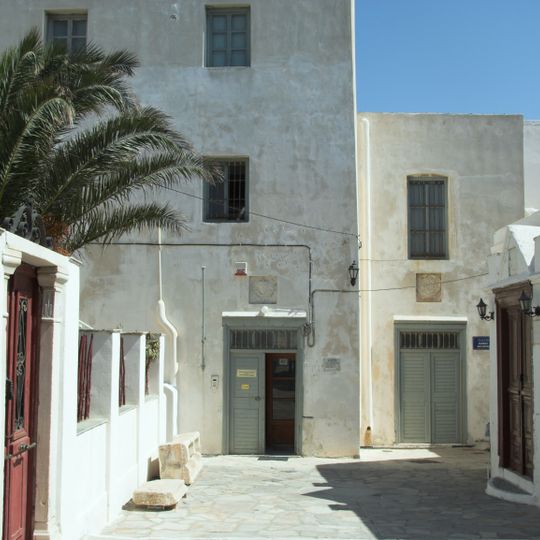
Archaeological Museum of Naxos, Archaeological museum in Kastro quarter, Naxos Town, Greece
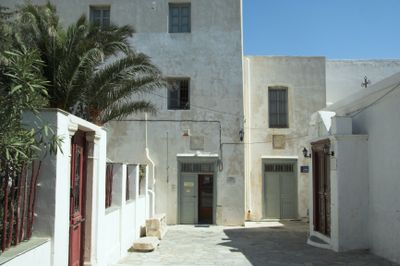
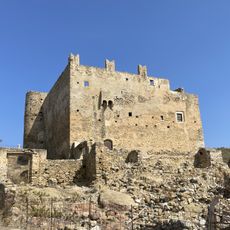
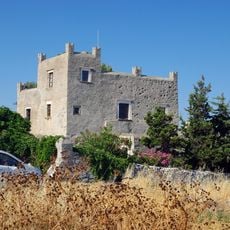
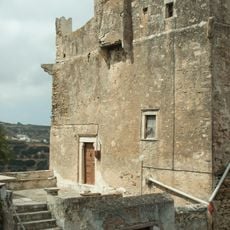
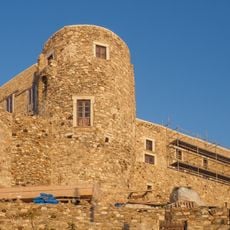
The Archaeological Museum of Naxos occupies a five-storey Venetian building from the 17th century, integrated into the Kastro fortification wall between two towers. It was once the Jesuit commercial school, later run by Lazarists and Salesians, and part of the former Ursuline convent. The museum, opened in 1973, has a large terrace displaying marble pieces and a 4th-century BCE mosaic of a Nereid riding a bull.
The Jesuit school was founded in 1627 and later run by Lazarists and Salesians; Nikos Kazantzakis studied there for two years. The building was destroyed during the Italian and German occupation in World War II. The museum opened in 1972 or 1973, and the building was declared a historical monument.
The exhibits show how local craftspeople developed their skills and styles across many centuries. You can trace the changes in pottery, sculpture, and tool-making from ancient times through the early Christian period.
The museum is located within the walled Kastro quarter, making it simple to find and visit. Guided tours are available if you want detailed explanations, or you can explore at your own pace.
The museum displays findings from multiple excavation sites across the island, revealing Naxos's connections to Mycenaean civilization. These links show unexpected trade routes and cultural exchange patterns that stretched across the Aegean Sea.
The community of curious travelers
AroundUs brings together thousands of curated places, local tips, and hidden gems, enriched daily by 92,952 contributors worldwide.