Plastiras Dam, Arch dam in Karditsa Regional Unit, Greece.
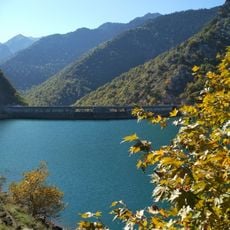
Plastiras Dam is a double-arch concrete structure that stretches 220 meters across the Tavropos River and rises 83 meters high. The structure holds back an artificial lake at higher elevation, which serves water storage and power generation.
Construction started in December 1955 under French engineering guidance and finished in October 1960, marking a turning point for infrastructure development in the post-war period. The project combined modern European engineering with local conditions and showed ambitious planning to boost the region's economy.
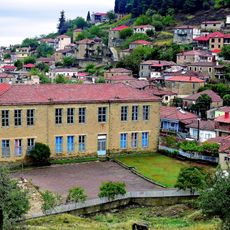
The structure bears the name of General Nikolaos Plastiras, a political figure who championed the idea of modern water infrastructure in this region. The dam shapes the valley and surrounding villages today, which depend on its presence.
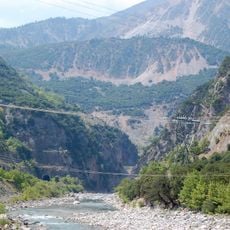
The dam blocks the narrow Kakavakia pass at 795 m above sea level, reached from the road along Lake Plastiras in the Karditsa regional unit. The crest is 220 m wide and the structure stands 83 m high, so the reservoir side sits well above the downstream valley. Weather in the Agrafa mountains shifts quickly at this altitude; sturdy shoes and a windproof layer are useful on the crest and approach paths.
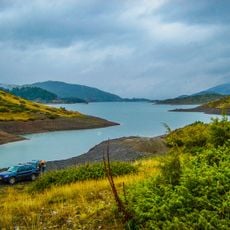
The reservoir created by the dam transformed a formerly flood-prone area into a controlled water storage holding around 400 million cubic meters. This change allowed surrounding communities to live more safely and receive more reliable water supply.
The community of curious travelers
AroundUs brings together thousands of curated places, local tips, and hidden gems, enriched daily by 94,226 contributors worldwide.