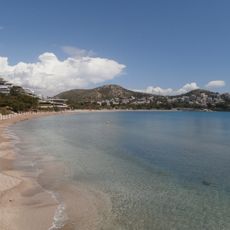
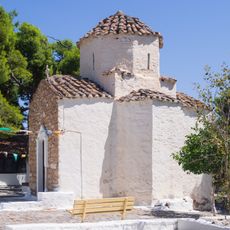
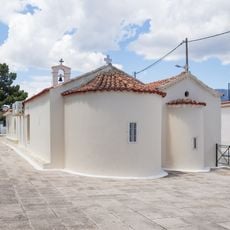
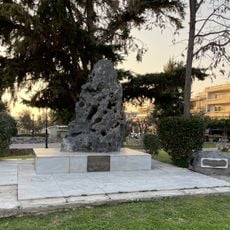
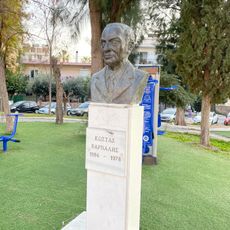
Halai Aixonides, Ancient coastal deme in Kekropis, Greece
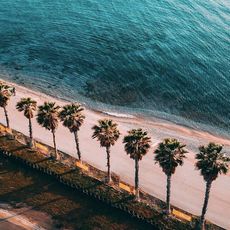
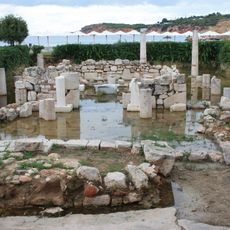
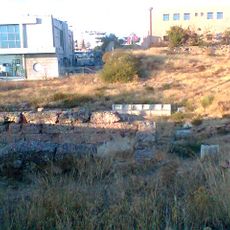
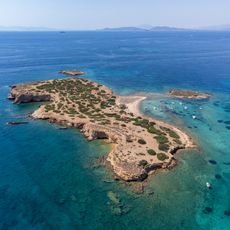
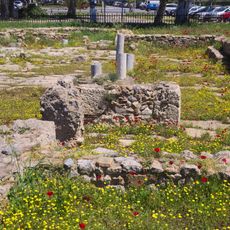
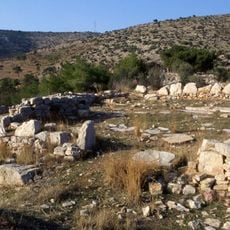
Halai Aixonides was an ancient coastal deme along the western Athenian shore near Cape Zoster, where residents produced salt and maintained a central marketplace for gatherings. The settlement had a religious center with temples and an organized administration led by an elected official.
The settlement developed during the pre-Classical period and became an important trading center for salt production on the Athenian coast. A notable document from the 4th century BC honored a priest for renovating the Apollo sanctuary and managing community religious affairs.
The sanctuary of Apollo Zoster held deep religious meaning for residents, who gathered there for sacrifices and celebrations that marked the seasons. Devotion to Apollo reflected the community's dependence on the sea and its resources for survival.
As a coastal location, the area was accessible to people arriving by boat or walking along coastal paths who came to trade for salt and other goods. Regular religious festivals provided set times for commerce and gatherings that drew visitors from surrounding communities.
The area was known for its fisheries, particularly for harvesting red mullet that was traded throughout Attica. The settlement's name later became associated with specific speech patterns in ancient Greek society.
The community of curious travelers
AroundUs brings together thousands of curated places, local tips, and hidden gems, enriched daily by 92,709 contributors worldwide.