Mylopotamos Castle, Castle in Kato Chora, Greece
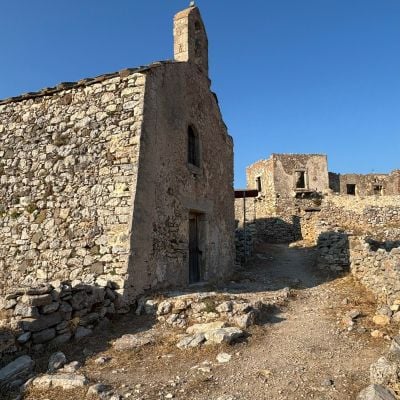
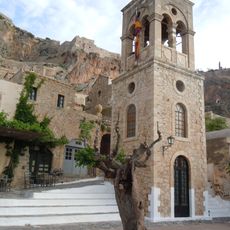
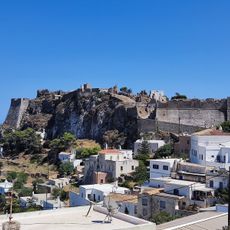
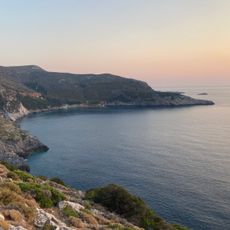
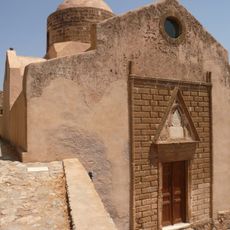
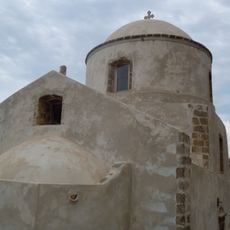
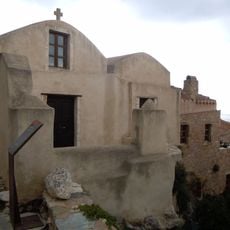
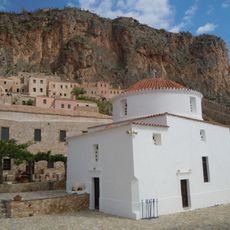
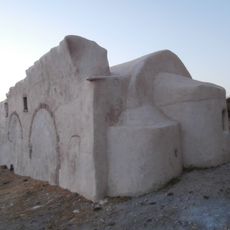
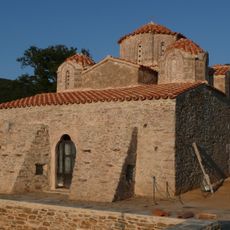
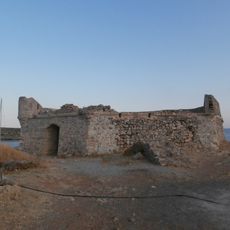
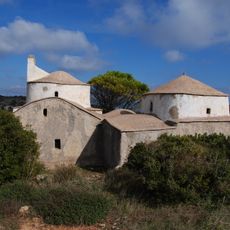
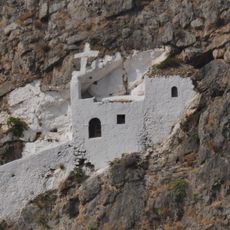
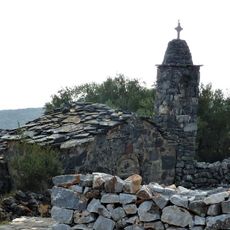
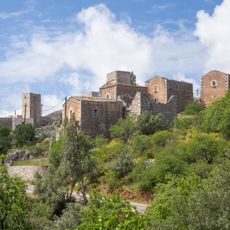
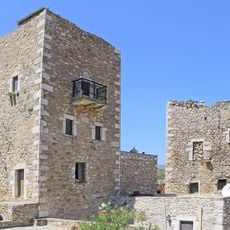
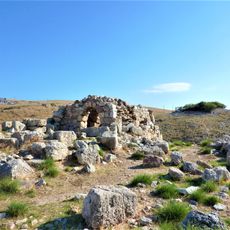
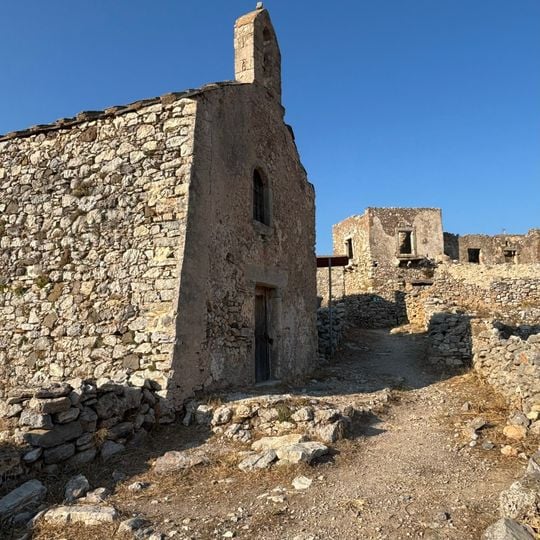
Mylopotamos Castle is a Venetian fortress on a steep rock above the village of Kato Chora on the island of Kythira. It overlooks the Ionian Sea, and inside its walls are narrow lanes, old stone houses with flat roofs, and the remains of nine small churches from the 16th and 17th centuries.
Mylopotamos Castle is thought to have been built in the early 16th century as a small fortress where the villagers of Kato Chora could shelter from sea-borne attack, and above all to watch the sea off the western side of Kythira. After 1545 it is recorded as home to 80 families of refugees from Cyprus and Crete, who also supplied the soldiers needed to guard it. Above the gate survives a relief of the winged Lion of Saint Mark, symbol of Venetian rule, inscribed "PAX TIBI MARCE EVANGELISTA MEUS MDLXV (1565)". The site was inhabited until the 1950s, and burials took place there until the end of the Venetian period.
After 1545, 80 refugee families from Cyprus and Crete settled inside the walls and supplied the soldiers who guarded the fortress. Six small churches served them: Agios Ioannis Theologos, Agioi Anargyroi, Agios Nikolaos, Agioi Pantes, Agios Ioannis Prodromos and Agios Dimitrios. The site was still inhabited in the 1950s, and burials took place there until the end of Venetian rule.
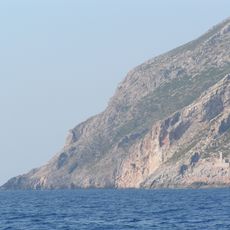
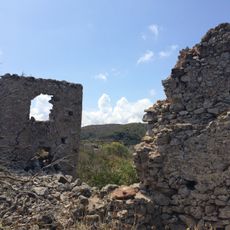
The castle stands on a rock above Kato Chora, reached by a paved road; the last stretch and the lanes inside are uneven stone with loose rocks and steps. Wear sturdy shoes and allow time to move carefully between the ruined houses and churches. The site is open-air and exposed, with little shade.
Above the entrance gate, a carved Venetian lion holds a book with the Latin inscription "Peace to you, Saint Mark." The gate's date of 1566 may mark a repair rather than the original building, so the stone itself raises questions about the fortress's early years.
The community of curious travelers
AroundUs brings together thousands of curated places, local tips, and hidden gems, enriched daily by 93,664 contributors worldwide.