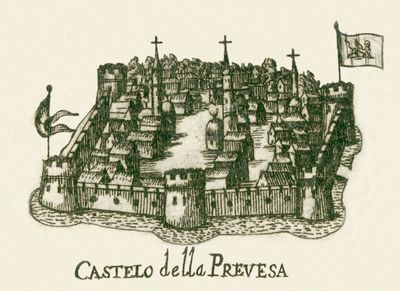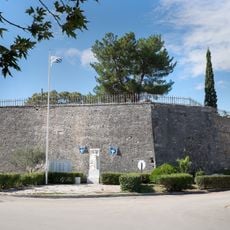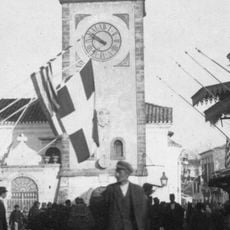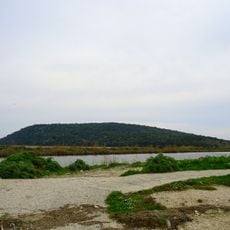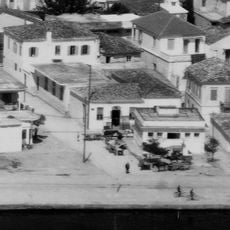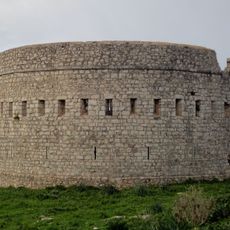
Castle of Bouka, Ottoman fortress at Gulf of Arta entrance, Greece.
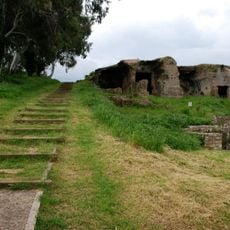
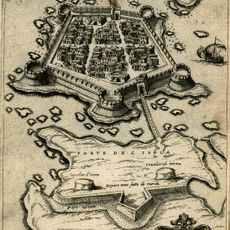
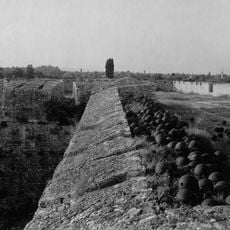
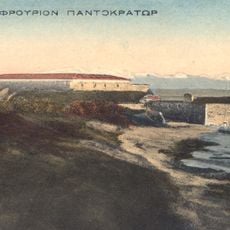
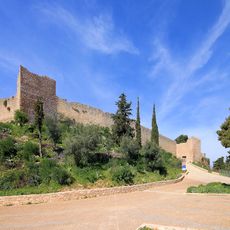
Castle of Bouka stands at the entrance of the Ambracian Gulf and served as a harbor fortress with walls designed to monitor shipping and control passage. The remains lie beneath the area known as Paliosaraga, with foundations still preserved under the topsoil.
Ottoman forces built the fortress in 1478, marking their first major fortification in Preveza after establishing control of the northwestern Greek region. This construction was part of the Ottoman expansion into the Mediterranean during the 15th century.
The name Bouka comes from the Italian word 'bocca', showing how Mediterranean peoples influenced the fortress and its designation as the gulf's mouth. This linguistic connection reveals the cultural layers of the region.
The site sits on flat ground directly by the water, making exploration relatively straightforward even though remains lie partially underground. Visitors should wear comfortable shoes and be aware that archaeological work may occasionally restrict access.
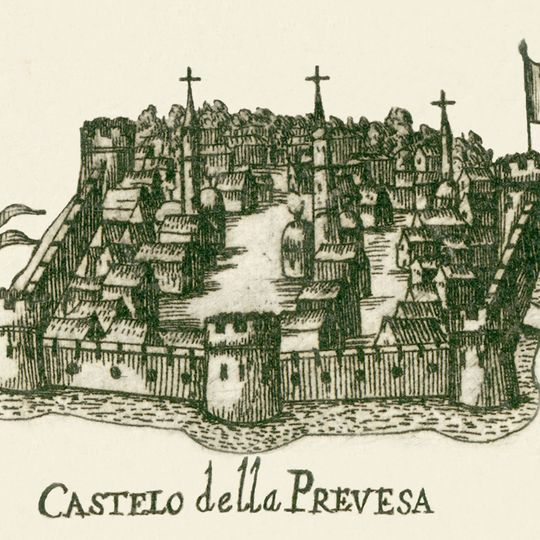
The fortress appears on the manuscript map of Pirî Reis from 1521, making it one of the earliest cartographic records of the fortification. This historical notation shows that the structure was significant enough to be documented by cartographers just decades after its construction.
The community of curious travelers
AroundUs brings together thousands of curated places, local tips, and hidden gems, enriched daily by 91,852 contributors worldwide.