Minoa, human settlement in Amorgos, Greece
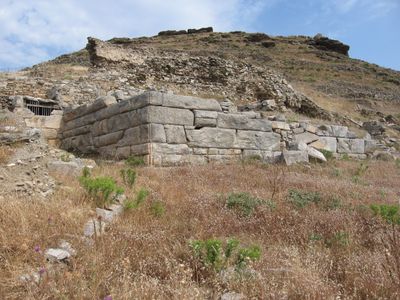
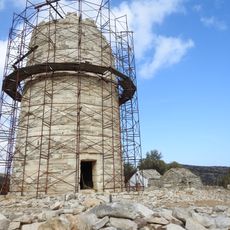
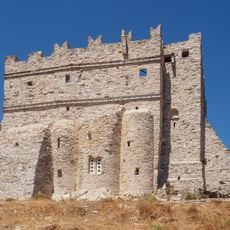
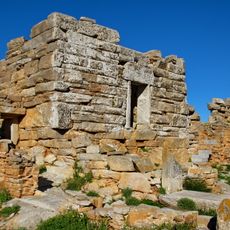
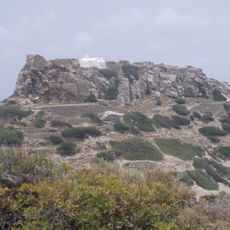
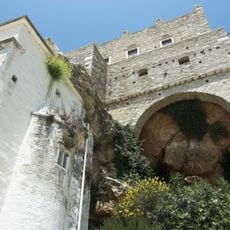
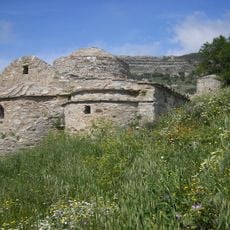
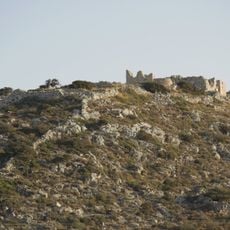
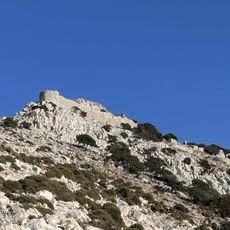
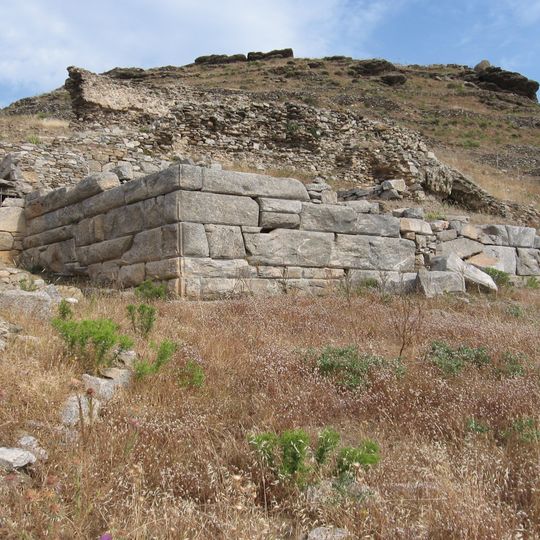
Minoa is an ancient city on Moundoulia Hill above the modern port village of Katapola on the island of Amorgos. The archaeological site contains ruins of walls, residential structures, a 4th-century BC gymnasium building, a sanctuary from the Geometric period at its summit, and a well-preserved lavatory, with scattered remains that span from around the 11th century BC to the 4th century AD.
Minoa was inhabited from around the 11th century BC until the 4th century AD, occupied successively by different groups who shaped its development. The site served as a strategic settlement on a hilltop with defensive walls and witnessed several periods of importance, particularly during the Geometric and Hellenistic eras.
The site is closely connected to the ancient poet Simonides of Amorgos, who was born here and whose works remain part of local pride today. Walking through the ruins, you encounter traces of religious life, public gatherings, and community activities that shaped the identity of those who lived here.
The site lies about 3 km from Katapola and is reachable on foot in roughly 35 minutes, with the walk offering views of the landscape and water being advisable to bring. Access is open and visitors can explore at their own pace, though there are few signs or information panels, so coming with prior knowledge of the main structures helps.
The gymnasium is a well-documented structure from the 4th century BC where people gathered not only for athletic training but also for social events, offering rare insight into communal life. The adjoining lavatory features a surprisingly sophisticated waste system carved into the rock, revealing that ancient inhabitants paid careful attention to hygiene and sanitation.
The community of curious travelers
AroundUs brings together thousands of curated places, local tips, and hidden gems, enriched daily by 91,653 contributors worldwide.