Alepotrypa cave, Neolithic archaeological cave in Diros Bay, Greece
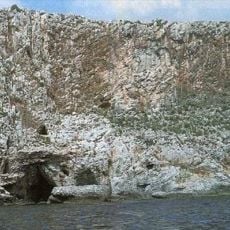
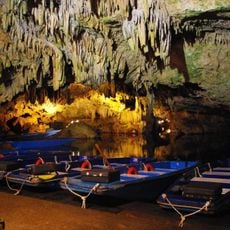
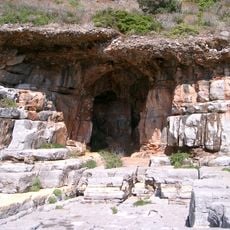
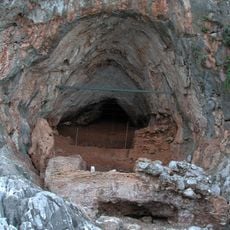
Alepotrypa Cave is a karst limestone cave on the Mani Peninsula, about 20 meters above sea level and 50 meters from the Mediterranean shore. It runs roughly 300 meters east to west and 50 meters wide, with multiple corridors and six large chambers named A, B, Γ, Δ, Ε and Z. The cave ends in a deep lake, the Chamber of the Lakes, holding slightly brackish but potable water.
Excavations led by Giorgos Papathanassopoulos began in 1970 but were delayed until 1978 by political complications in Greece, and continued until 2005. The cave was abandoned around 3200 BC after an earthquake blocked its entrance, which kept the finds well preserved. Burials span roughly 6000 to 3200 BC, and bones of at least 170 persons were recovered.
Alepotrypa means "Fox's Hole" in Greek. The cave was used for burial and cult, while the early farmers lived in a large village outside it. Near the entrance, everyday tools and heavily worn pottery show domestic activity; deeper inside, decorated vessels and jewelry were deliberately broken for rituals.
Guided tours take visitors through the cave system to explore geological formations and archaeological discoveries. Wear comfortable shoes and bring a jacket, as the interior remains cool and damp year-round.
The cave's stalagmites were analysed for trace elements by researcher Meighan Boyd, revealing that Neolithic occupants burned dry dung as fuel. The same deposits record several prehistoric droughts, making the cave a record of both human activity and climate.
The community of curious travelers
AroundUs brings together thousands of curated places, local tips, and hidden gems, enriched daily by 93,030 contributors worldwide.